
Folic Acid deficiency is considered to play a role in patients with Schizophrenia. Serum or plasma concentration of folic acid is substantially lower in individuals with Schizophrenia than in the general population (Cao et al., 2016).
Mutations in key enzymes that regulate folic acid levels have been demonstrated as a moderator between folic acid levels and severity of negative symptoms in individuals with Schizophrenia (Nishi et al., 2014).
A systemic review of meta analyses revealed substantial improvements in negative symptoms in individuals with schizophrenia who were given folic acid supplementation (Sakuma et al., 2018).
References
Cao B., Wang D.F., Xu M.Y., Liu Y.Q., Yan L.L., Wang J.Y., Lu Q.B. (2016) Lower folate levels in schizophrenia: a meta-analysis. Psychiatry Res 245:1–7
Nishi A., Numata S., Tajima A., Kinoshita M., Kikuchi K., Shimodera S., Tomotake M., Ohi K., Hashimoto R., Imoto I., Takeda M., Ohmori T. (2014) Meta-analyses of blood homocysteine levels for gender and genetic association studies of the MTHFR C677T polymorphism in schizophrenia. Schizophrenia Bulletin 40:1154–1163
Sakuma, K., Matsunaga, S., Nomura, I., Okuya, M., Kishi, T., & Iwata, N. (2018). Folic acid/methylfolate for the treatment of psychopathology in schizophrenia: a systematic review and meta-analysis. Psychopharmacology, 235(8), 2303-2314. doi:10.1007/s00213-018-4926-4
Blake Palmer,
WKPIC Intern
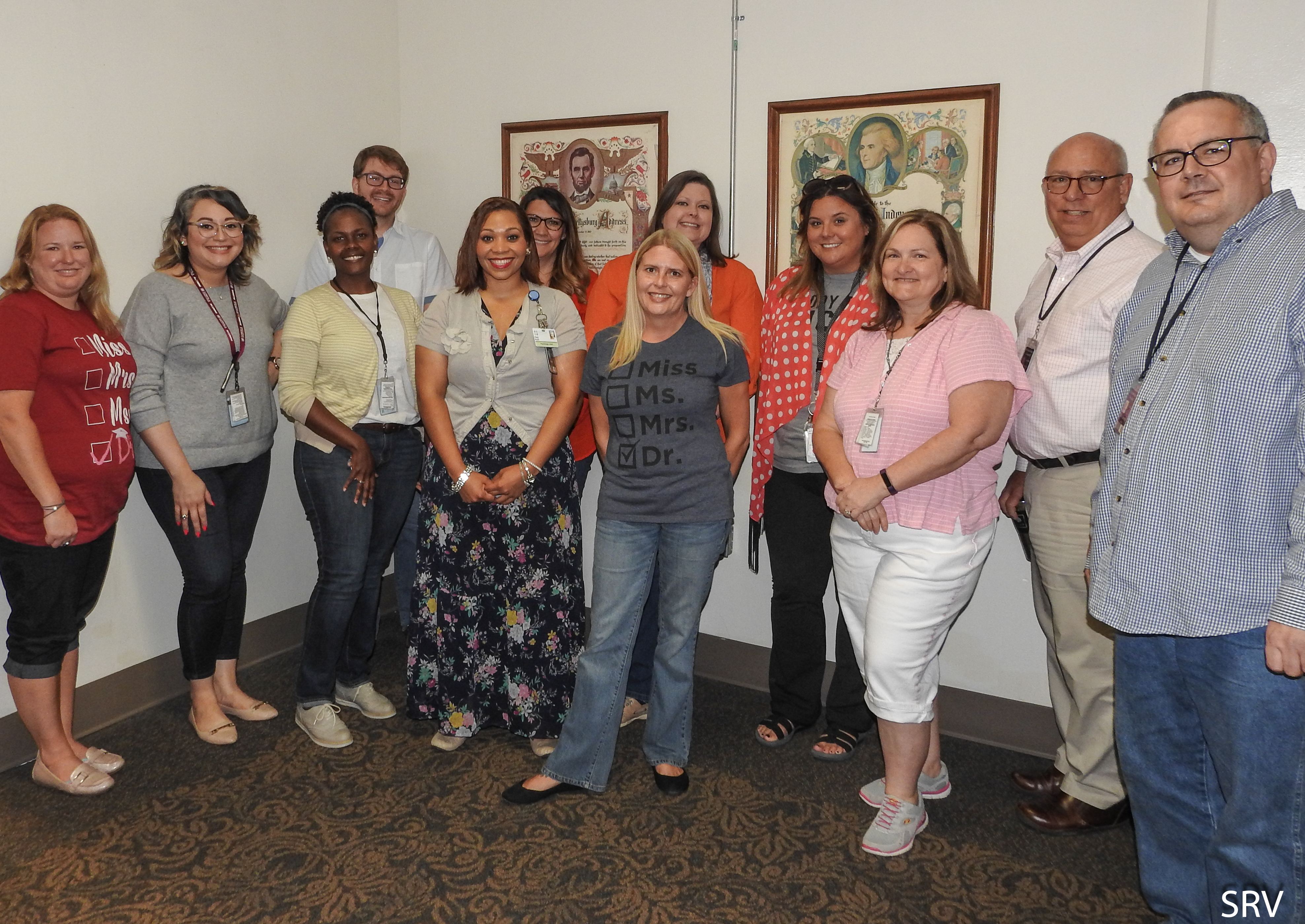



 In my first Friday Factoid of the month, I mentioned that it is important to create friendships over the course of your internship. I have learned it is not only important to have friendships within your cohort, but with other staff members at work who are not related to your department. I have been lucky enough to have developed friendships with several individuals who understand my quirky nature and who are not afraid of having fun at work.
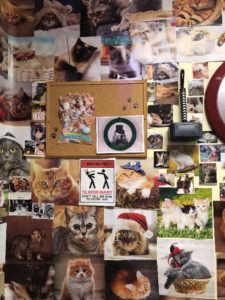 By far the best shenanigan of the year not only started a department prank war, but WON the prank war. It is said that on a Sunday afternoon two awesome, dedicated, and creative people entered the office of Will Battle. Rumor has it that in 4 hours over 1200 cat pictures were hung across the entire office floor to ceiling with approximately 6 rolls of tape. Pictures of this office do not do it justice so if you are ever at the hospital make sure to ask if you can see the “Cat Office.”