
A big WOOHOO to former intern and current post-doc Dr. Danielle McNeill for passing her licensing exam! WAY TO GO!!
Susan R. Redmond-Vaught, Ph.D., Director WKPIC
Zach Meny, Psy.D., Training Director WKPIC
WKPIC Staff

A big WOOHOO to former intern and current post-doc Dr. Danielle McNeill for passing her licensing exam! WAY TO GO!!
Susan R. Redmond-Vaught, Ph.D., Director WKPIC
Zach Meny, Psy.D., Training Director WKPIC
WKPIC Staff
Being a student of human behavior at times causes me to observe phenomena in my world with fascination. Social Psychology is widely defined as “the study of the manner in which the personality, attitudes, motivations, and behavior of the individual influence and are influenced by social groups.” One such phenomenon, which caught my attention was recently when many people in middle TN and Western KY were preparing for an upcoming winter weather event on the evening of 1/19. I needed to run a routine errand to a local grocery store pharmacy. I had noticed some jokes on my Facebook feed prior to going out. The jokes revolved around the tendency of people to swarm into grocery stores prior to winter weather events. I laughed it off as an exaggeration due to being new to this area of the country.
I knew something different was happening when I got to the store and the parking lot was full. This is not a usual occurrence on a week night. I entered the store and saw checkout lines snaking, through the aisles, and clear to the back of the store. After a sigh of relief that I did not have to get into those lines due to the nature of my errand, I was struck by the behaviors of the social group involved in this event.
I am fairly certain that people shopping in this grocery store were not aware of belonging to a social group. The first behaviors I identified were a group of people in a state of conflict and competition. The top items being “competed” for seemed to be mainly perishable food items like milk, eggs, and unfrozen meats. I noticed a smaller, but still significant number of people who were purchasing non-perishable items such as canned goods, bottled water, and breakfast cereal. Competition is a process that is always present among humans as a group but what I witnessed was the result of competition being converted into conflict during a time of perceived crisis the group primarily was competing for perishable goods that were perceived useful.
In actuality bread, milk, eggs and other perishables are not the go to items that will help the group survive in an actual crisis. One suggestion is that when the group is having an initial reaction to an impending storm situation the lean toward perishable items when preparing for a short term event. The drive toward choosing perishable items may be unconscious. The shoppers I saw with non-perishable items were largely in military uniforms and likely from nearby Fort Campbell. It has been suggested by some that when a person is seeking and competing for non-perishable items the unconscious drive is more driven by ideas that the crisis/storm event could be a longer term event. In a long term event perishables would quickly become useless. It is quite possible that individuals trained in the military are not functioning at an unconscious level as much as they are relying on a better awareness of what would help if they were stranded in their homes for multiple days.
While observing the aforementioned behaviors and patterns, a loud verbal argument began between two customers waiting in line. The two individuals seemed to be arguing because they felt the other had cut in front of them in line. A baseline sense of competition was already heightened and aggravated and a behavior that may have been met with irritation was met with aggression. The verbal conflict soon escalated into a physical fight with punches being thrown. Quickly, two uniformed military personnel came and broke up the fight. The two men in the fight were both people buying perishable goods. The military personnel both were consistent with their colleagues and had a cart full of canned goods, batteries and water. There may have been a higher level of urgency in the perishable food buyers because of the short sighted plans. They are seeking perishables to last over a short time period and then move on to the next crisis. The opposing group which had enough training to not fall into less viable crisis supplies were also those who retained order in the group as a whole.
Since the non-perishable buyers seemed so better adapted at handling uncontrollable circumstances it was curious to me that they too were out scrambling for their chosen crisis supplies literally hours before a storm. Noticing this again made me question why there was so much activity in the store. If a person is trained and prepared for disasters why did they not shop at a time when competition for goods was lower ? I think to some extent that even those who are prepared for a disaster may have been out obtaining even small items they thought they might happen to need. While people compete with one another in an outward group once back in our homes we tend to think more altruistically. If we have excess, we are more likely to share with our neighbors. The group in the store outside of their neighborhood group came to blows, but it is likely that if asked these individuals would share their perishable goods with their neighbors i.e. “can I borrow an egg.”
Overall while watching this scene unfold, my anxiety began to heighten because I thought “what if I run out of food.” Prior to entering the store I was not thinking about this at all and as I mentioned I was laughing at the “bread and milk before the snow” jokes on Facebook. I am not from the area and maybe the rest of the group who is established here should be followed. The thought seemed even more valid when I gauged the intensity of the group. I began to doubt my ability to make decisions as an individual. The group must know something I don’t. It was a hard conscious effort to resist getting a cart and grabbing a just a couple items, just in case they were needed. I took pause and thought about how our home is likely more prepared for disaster than average since I lived in an Earthquake area prior to TN. Shopping before an Earthquake is simply not an option so the whole paradigm for preparation is different. I was quite struck by the anxiety that rose up when watching the group and then a mental accounting for the supplies I knew I had on hand. Despite knowing that I was well supplied I literally fought an urge to get in the long lines with the rest of the group.
This trip on a basic errand transformed into an incredible, unplanned, observational experience of Social Psychology. I still after leaving the store have a pull toward thinking the group knows better than me even though I am certain that I have at least three weeks of emergency supplies, which are more substantial than bread and milk. Let’s just hope that I am prepared enough for the upcoming winter storm and that my effort against joining the group on this occasion will not backfire.
References
Dove, L (2015).Why do people buy up all the bread and milk before a storm hits: The psychology of stockpiling. http://science.howstuffworks.com/nature/natural-disasters/buy-bread-and-milk-before-storm1.htm
Nelson, Lowry, (1948). Rural sociology. American sociology series, (pp. 149-171). New York, NY, US: American Book Company, xvi, 567 pp.
Rain Blohm, MS
WKPIC Doctoral Intern
Health Psychology is both the science and art of when a person’s behaviors interact with their health status. This interaction can take place in overt, very noticeable ways or in ways that are outside of one’s awareness.
A big issue health psychologists often address is stress. The stress response is known to interact with a variety of health problems. Hypertension (HTN) is a health problem where many biological and psychological factors converge. There are two types of HTN, type I and type II. Type one is the more prevalent form and type II is secondary to other pathology such as kidney failure. Type I HTN has a variety of factors that contribute to its development. Some of these factors are well known like genetics, obesity, sedentary life style, and a high sodium diet.
Some factors such as a person’s “personality structure” and environmental stressors are less well defined. The important consideration with HTN management is there are many psychosocial factors that if addressed by a health psychologist can improve the health outcome of patients with HTN. Diet and lifestyle are behavioral issues that can be addressed, with assistance offered. Understanding how a person deals with stress is also an important area for intervention. Yet another area of interest to HTN management is underlying emotional issues like preexisting trauma, depression, or anxiety. These problems increase physiological reactivity and thus increase HTN risk. However, very few patients with HTN speak to a health psychologist.
HTN is a very important sentinel condition appropriate for psychological intervention. HTN is letting the patient know that their body is in need of care and changes. HTN typically develops prior to heart disease, diabetes and other vascular diseases. These chronic conditions could be significantly reduced with aggressive behavioral management of HTN. Patients could benefit from identification of HTN and medication and behavioral management as a part of an overall plan to reduce the burden of future chronic diseases.
Rain Blohm, MS
WKPIC Doctoral Intern
Medication non-compliance is a pervasive problem among individuals with a serious and chronic mental illness. The first few weeks after discharge from the hospital signify a critical period in the course of recovery. Previous research indicates that 79 percent of patients with schizophrenia who discontinue medications for less than one week subsequently restart and maintain compliance. Unfortunately, 91 percent of patients who stop medication for more than one week continue to stay off antipsychotic medications until they relapse (Olfson, et al., 2000).
Generally, patients who are admitted for acute hospitalization are highly symptomatic and must make the transition from inpatient to outpatient care in a few short days. This transition puts the patient in a position to assume greater autonomy and control over aspects of their daily lives. The increased independence heightens the risk of noncompliance with medications. In this study, the authors focus on the role of severity of illness, substance use, insight, treatment alliance, family involvement, and aspects of medication management as possible predictors of medication noncompliance after hospital discharge.
The article highlighted that several cross-sectional studies link severity of psychopathology to medication noncompliance. Previous studies have shown that substance intoxication may impair judgment, reduce motivation to pursue long-term goals, and lead to a devaluation of the benefits offered by antipsychotic medications (Owen, Fischer, & Booth, 1996). The availability of family members who remind patients to take their medications is widely believed to lower the risk of medication noncompliance. Several studies have revealed there are lower rates of medication noncompliance among patients who live with family members or with people who supervise their medications (Razali & Yahya, 1995). Additionally, patients who form a strong therapeutic alliance with their therapists seem to be more likely to comply with prescribed medications than patients who form weaker alliances (Frank & Gunderson, 1990).
In the study reported here, medication compliance was assessed in a sample of inpatients with schizophrenia who were interviewed at hospital discharge and then again three months later. This design permitted an examination of whether factors evident during the inpatient stay, such as illness severity, substance use, insight, therapeutic alliance, family support, and medication, predicted medication noncompliance after hospital discharge.
Method
Participants that were eligible for this study were newly admitted to four New York City psychiatric inpatient hospitals, between 18 and 64 years of age, and had an admitting clinical diagnosis of schizophrenia or schizoaffective disorder. A total of 316 patients were eligible for the study and 263 (83 percent) were located for a three-month follow-up interview. Subjects who received depot injections after hospital discharge were not included in the study.
Patients completed a structured assessment spanning clinical symptoms, substance use disorders, insight into illness, and aspects of their medication management. Substance use disorders were assessed at hospital admission with the Mini-International Neuropsychiatric Interview for DSM-IV. Clinical symptoms were assessed at hospital discharge by a research assistant with the BPRS, GAS, and Center for Epidemiological Studies—Depression Scale (CES-D). Insight into illness was assessed with two probes: “Do you believe you have a mental illness?” and “Would you say you have emotional problems?” In addition, an item was included from the National Health Interview Mental Health Supplement: “How difficult was it for you to recognize the symptoms of your illness?” Possible responses were very difficult, somewhat difficult, and not difficult.
Therapeutic alliance was measured with the six-item Active Engagement Scale completed by inpatient clinicians at the time of discharge. Family involvement was evaluated by asking staff whether patients had any family members, whether family members visited the patient in the hospital, whether they agreed or refused to become involved during the admission, whether they met with staff, and whether they received family therapy. Three months after hospital discharge, patients were re-interviewed in person with the same instruments to assess change in symptoms, mental health service utilization, and use of antipsychotic medication.
Results
The results of the study found of the patients followed up, 41 (19.2 percent) were found to be noncompliant with medication and 172 (80.8 percent) were compliant. The mean ages of the medication noncompliant and compliant groups were 34.8±9.7 years and 37.6±9.6 years, respectively. Patients who became medication noncompliant were significantly more likely than those who remained compliant to have been medication noncompliant during the three-month period before hospitalization. Patients who became medication noncompliant were significantly more likely than their compliant counterparts to meet past-six-month criteria for a substance use disorder. A significant number of patients who became medication noncompliant reported that they found it somewhat or very difficult to recognize their clinical symptoms.
Discussion
The authors found that approximately one in five patients with schizophrenia reported missing one week or more of oral antipsychotic medications during the first three months after hospital discharge. Missing or stopping antipsychotic medication was strongly associated with several problematic outcomes, including symptom exacerbation, noncompliance with outpatient treatment, homelessness, emergency room visits, and re-hospitalization. A recent history of substance abuse or dependence emerged as the strongest predictor of medication noncompliance. Additionally, medication noncompliance was also associated with noncompliance during the transition to outpatient care and proved to be a strong predictor of future noncompliance.
In this study, little evidence was found that family visits or family therapy sessions during hospitalization was related to future medication compliance. However, patients whose families refused to participate in treatment were at high risk for stopping their medications. Patients who were more actively involved in inpatient treatment were more likely to remain on their medications. This finding may help explain the success of psychological strategies that seek to reduce noncompliance by building the patient’s motivation to take antipsychotic medications.
The authors found that medication compliance was not related to whether a patient acknowledged having a mental illness or diagnosis of schizophrenia, but rather to the patient’s ability to recognize clinical symptoms. Patients who have difficulty recognizing their own symptoms may be less aware of their ongoing need for maintenance treatment and the benefits of antipsychotic medications. Various aspects of symptom severity failed to predict medication noncompliance. Symptoms of grandiosity and suspiciousness were only weakly related to noncompliance. The authors noted that patients treated with Clozapine or Risperidone, or treated with lower doses of antipsychotic medications tended to be less likely to become medication noncompliant, although this relationship was not statistically significant.
The findings are inhibited by several limitations. First, they relied exclusively on patient self-reports to determine medication compliance. Problems with recall and reality distortions may have introduced inaccuracies in their histories. Having other informants would have strengthened measurement in this area. Second, only short-term follow-up data were available. A longer follow-up period might have yielded larger numbers of medication noncompliant patients and a different pattern of predictors.
What We Can Do
Several important findings can be taken from this study to further assist our hospital staff with improving patient medication compliance after discharge. First, staff who takes a careful history of recent medication noncompliance may improve their prediction of who is at risk for stopping their antipsychotic medications. Second, staff who detects that family members oppose or do not support some aspect of their relative’s psychiatric treatment should make a concerted effort to understand and address these family attitudinal barriers. Third, staff can help patients work through their ambivalence about antipsychotic medications by asking inductive questions, examining the pros and cons of medication compliance, and selectively reinforcing adaptive attitudes. Finally, it is possible that psychoeducational strategies that help patients develop more accurate subjective health assessments may improve compliance with maintenance antipsychotic treatment.
References:
Bartko, G., Herczeg, I., Zador, G. (1988). Clinical symptomatology and drug compliance in schizophrenic patients. Acta Psychiatrica Scandinavica, 77, 74–76.
Frank, A.F., Gunderson, J.G. (1990). The role of the therapeutic alliance in the treatment of schizophrenia. Archives of General Psychiatry, 47, 228–236.
Kemp, R., Kirov, G., & Everitt, B. (1998). Randomised controlled trial of compliance therapy. British Journal of Psychiatry, 172, 413–419.
Olfson, M., Mechanic, D., Hansell, S., Boyer, C.A., Walkup, J., & Weiden, P.J. (2000). Predicting Medication Noncompliance After Hospital Discharge Among Patients with Schizophrenia. Psychiatric Services, 51, 216-222.
Owen, R.R., Fischer, EP., & Booth, E.M. (1996). Medication noncompliance and substance abuse among patients with schizophrenia. Psychiatric Services, 47, 853–858.
Razali, M.S., & Yahya, H. (1995). Compliance with treatment in schizophrenia: a drug intervention program in a developing country. Acta Psychiatrica Scandinavica, 91, 331–335.
Jonathan Torres, M.S.
WKPIC Doctoral Intern
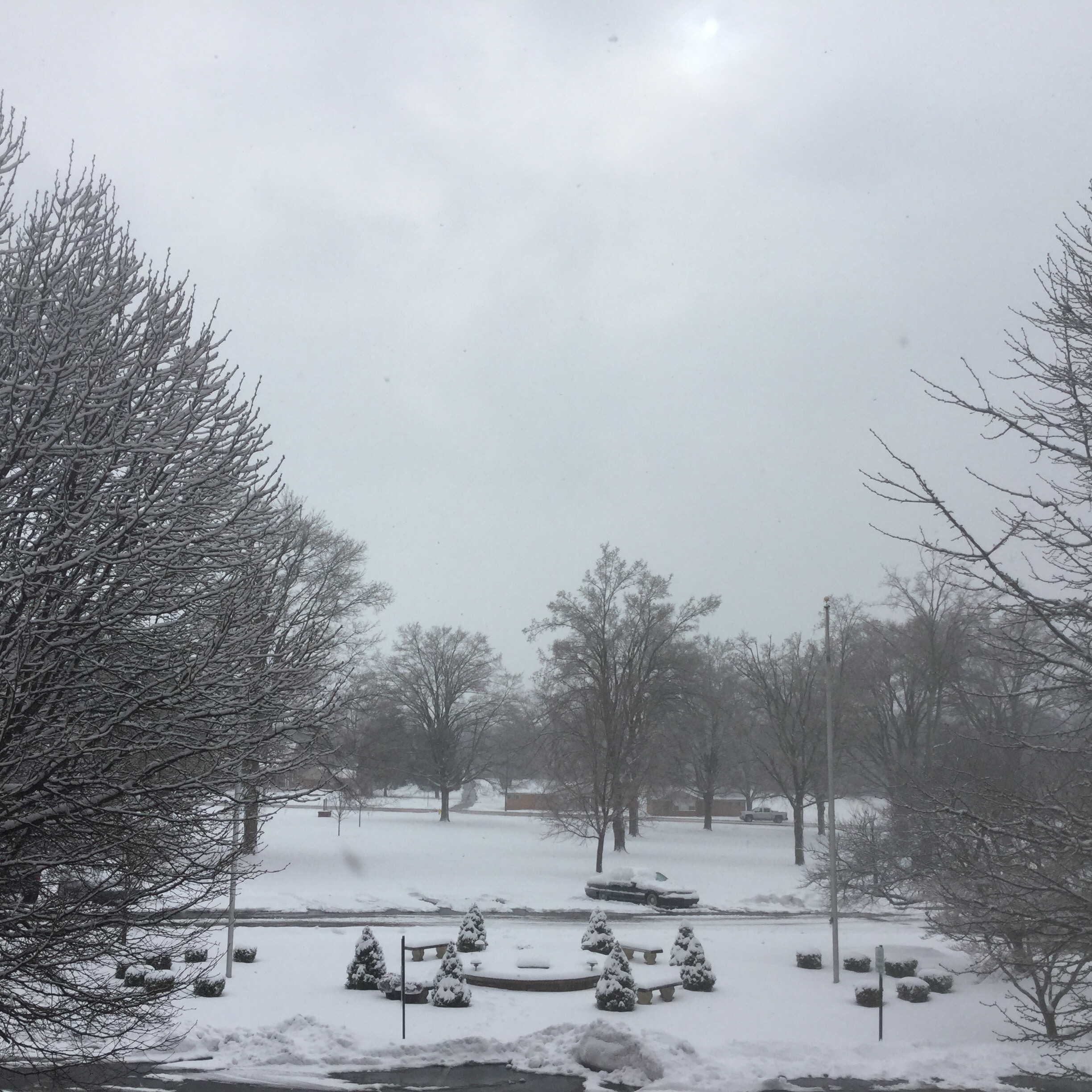
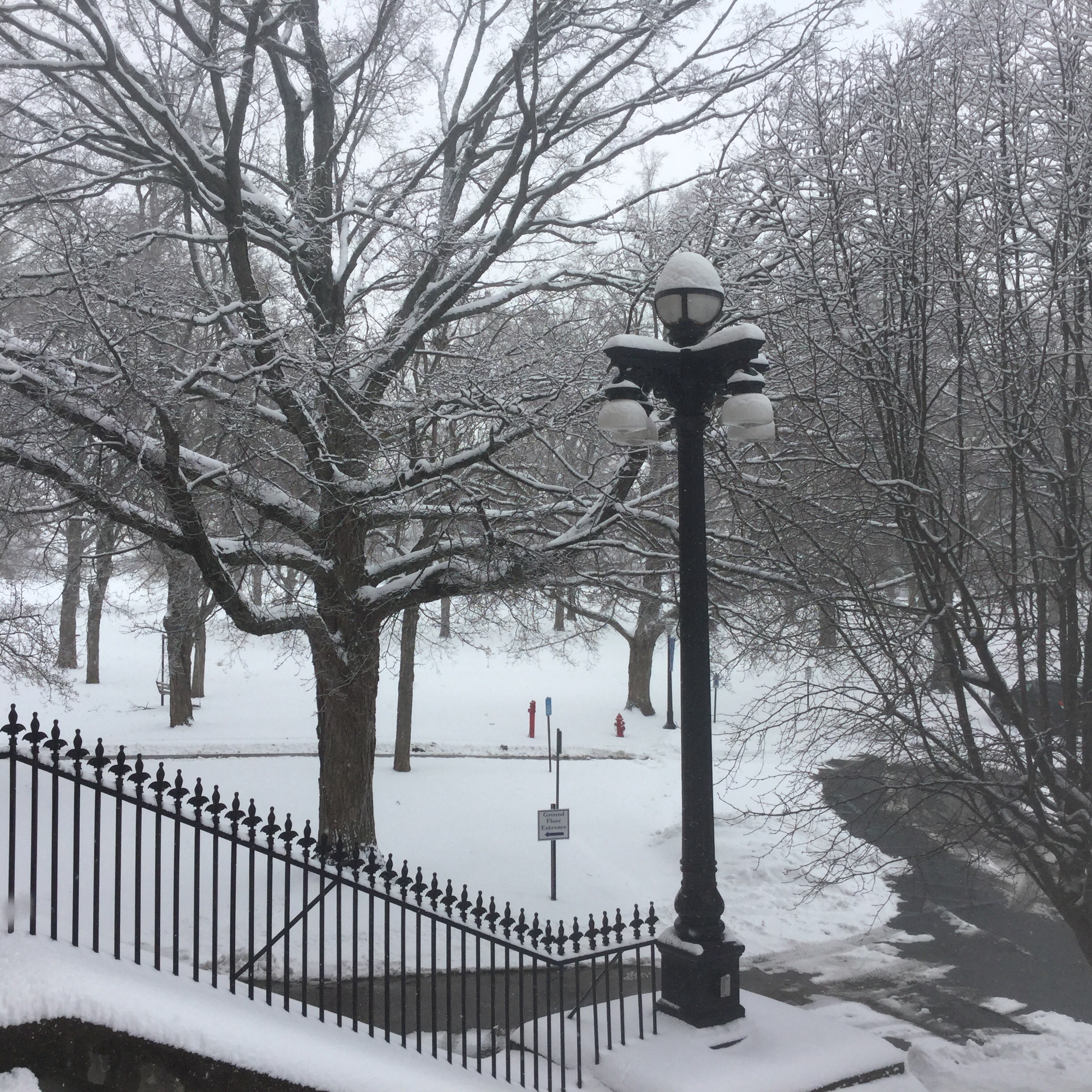
 WKPIC would like to extend a belated thank-you to the interns who participated in our first ever weather-necessitated Skype interviews. With closed interstates, a state of emergency in Kentucky and elsewhere, and buckets of snow dumping out of the sky–you guys were champs. We all made it through! Whether you match with us or elsewhere, good luck in all that you do.
Susan R. Redmond-Vaught, Ph.D.
Director, WKPIC