Case Study Presentations

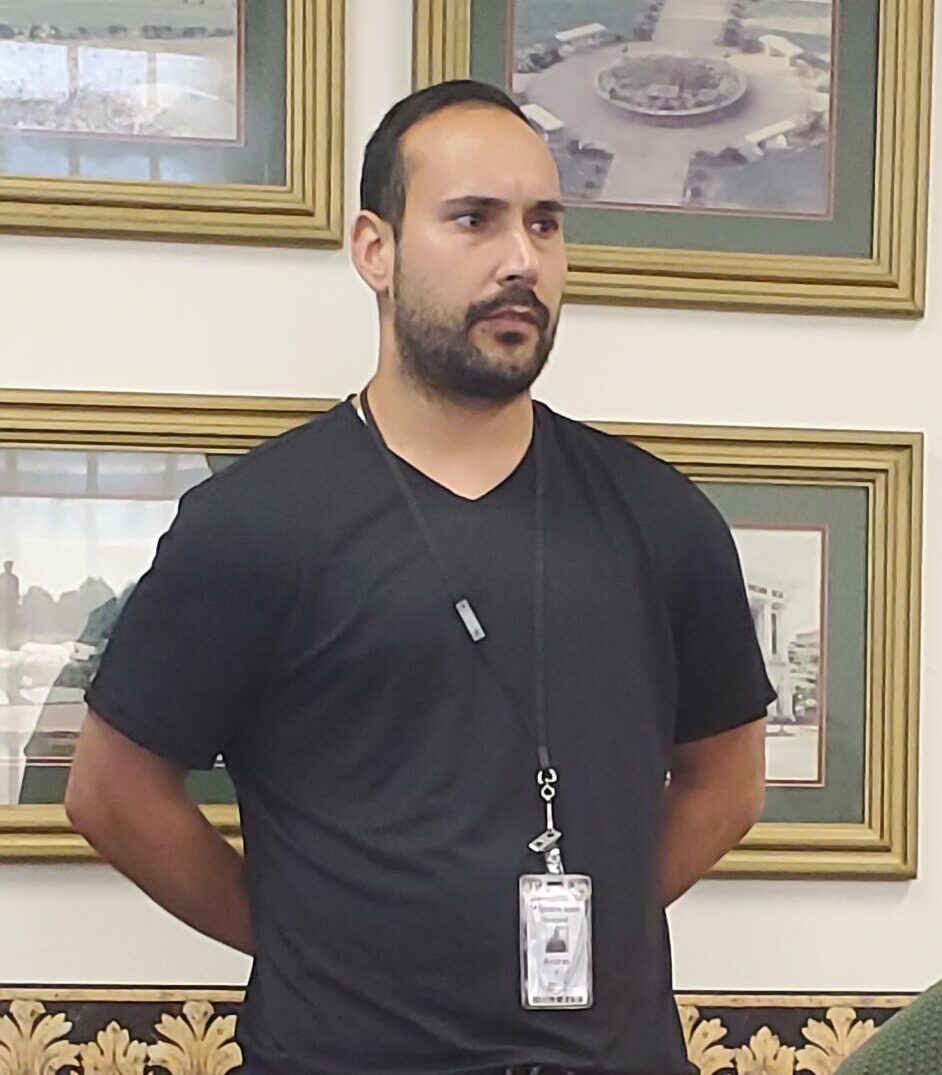
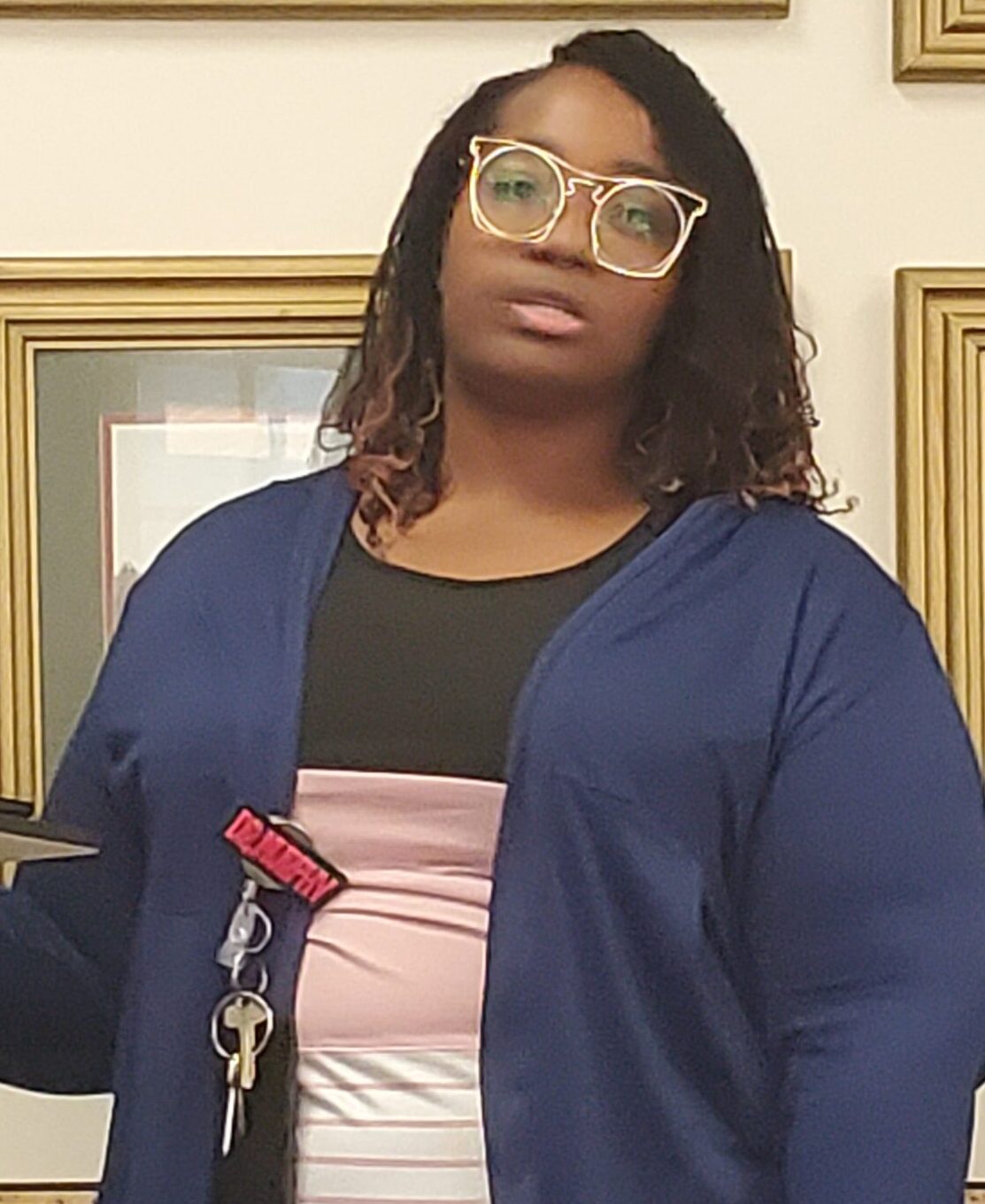
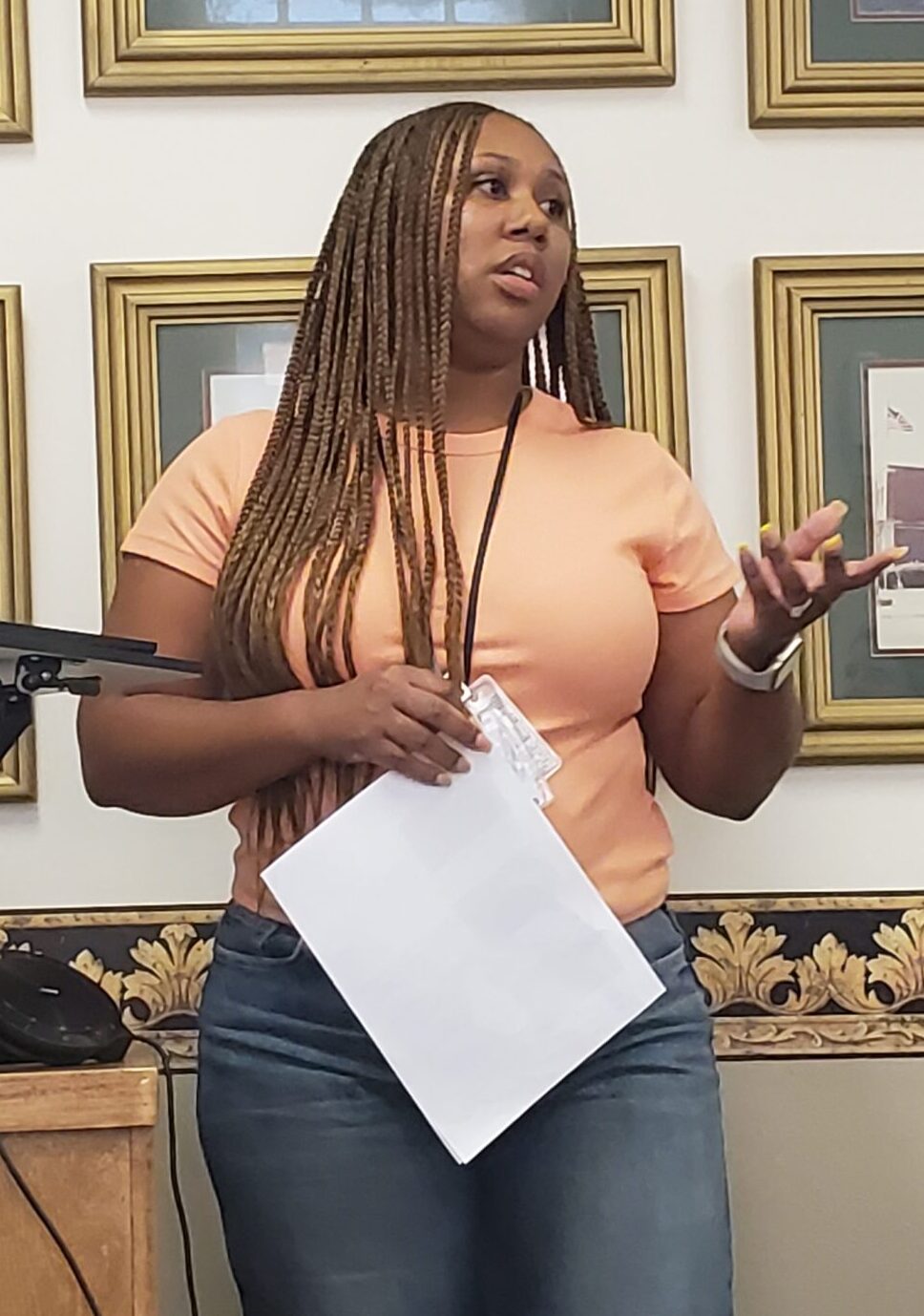
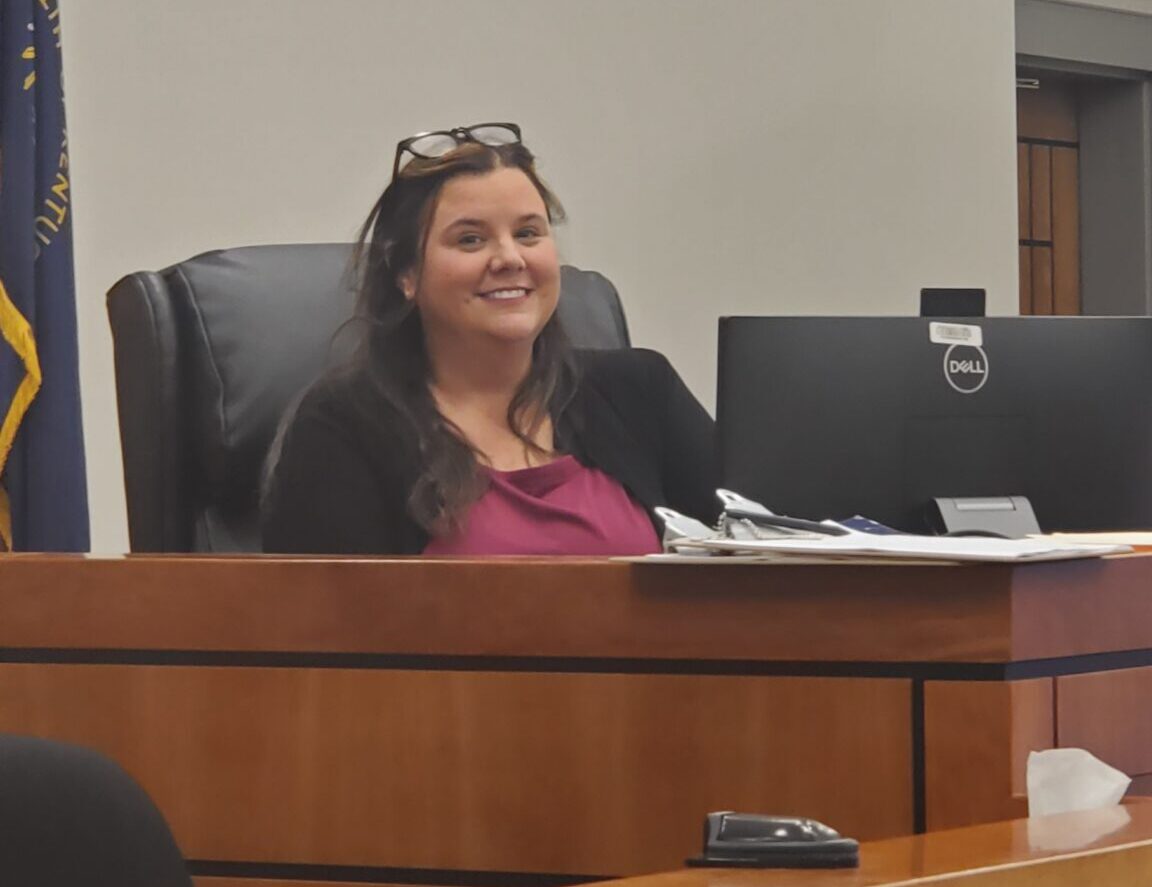
On August 6th, employees from several hospital disciplines were invited to the 2024 Case Study Presentations from our interns. At the beginning of internship year, each intern is assigned a patient whom has been identified as a challenge for our hospital treatment teams. These patient usually have had extensive psychological histories, some going back decades, and multiple admissions, not just at Western State, but other facilities as well.  Interns use records to present comprehensive histories, therapy interventions, treatment and testing recommendations to the members of these patients’ treatments teams.

These presentations are enlightening for many who attended. For staff who had not been working at the hospital as long as patients who have been coming here, interns were able to provide detailed background information that is sometimes overlooked in relevance to how it plays a part in patients’ behaviors and illness. These presentations also opened up the discussion of what and how different avenues of therapy may be beneficial.

Many thanks to our interns and Dr. Kerri Anderson for working hard on these presentations. You did a fantastic job!

Sarah
Andy
Lynn
Shakeira

2024 Mock Trial Experience

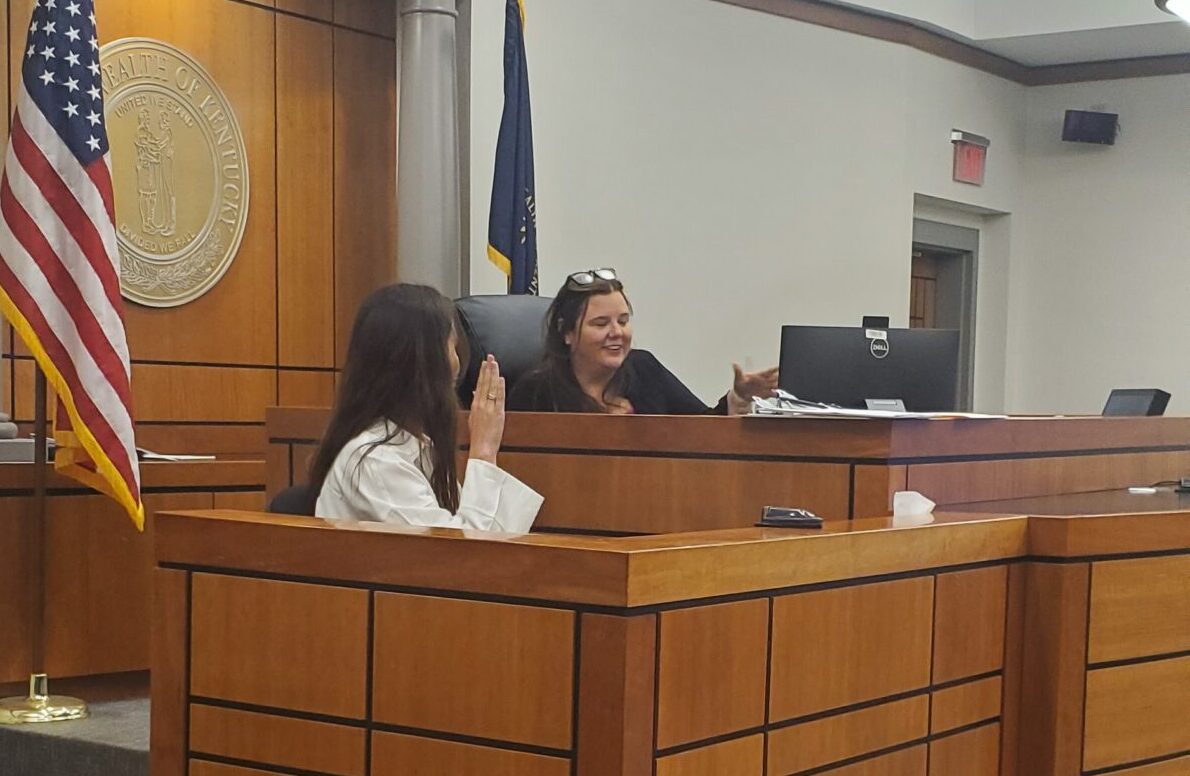
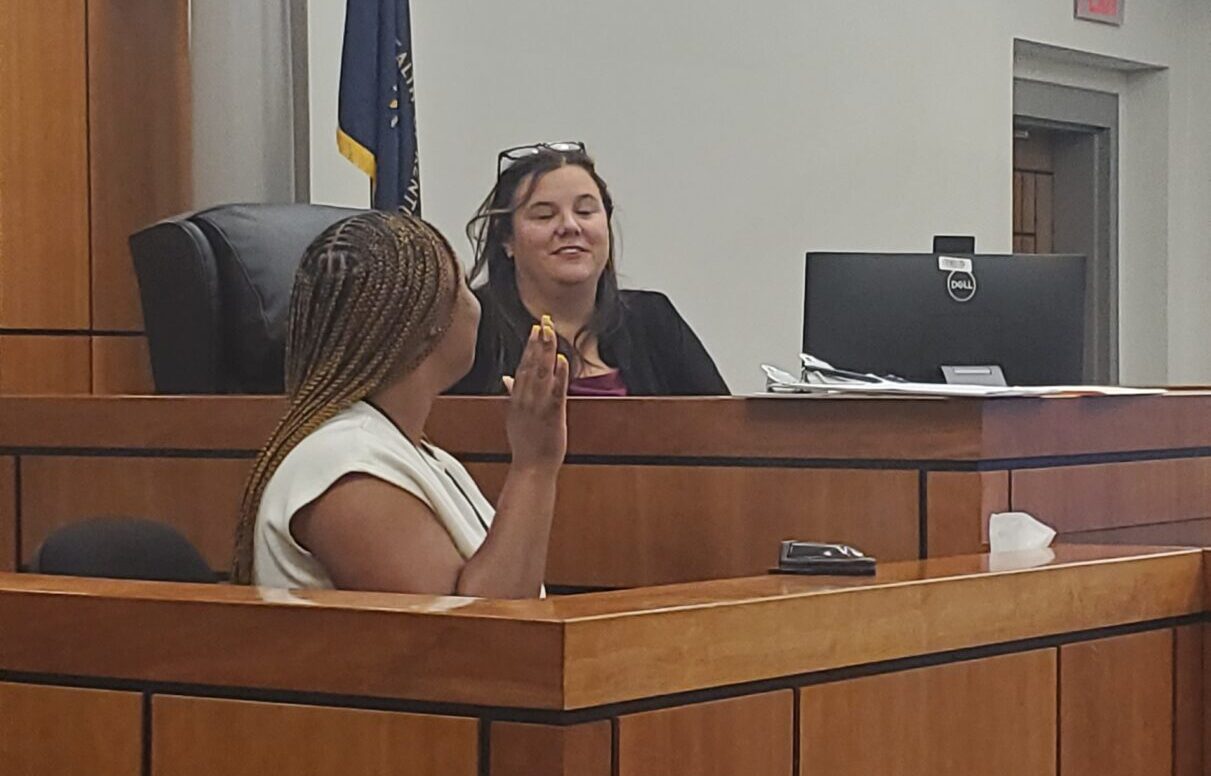
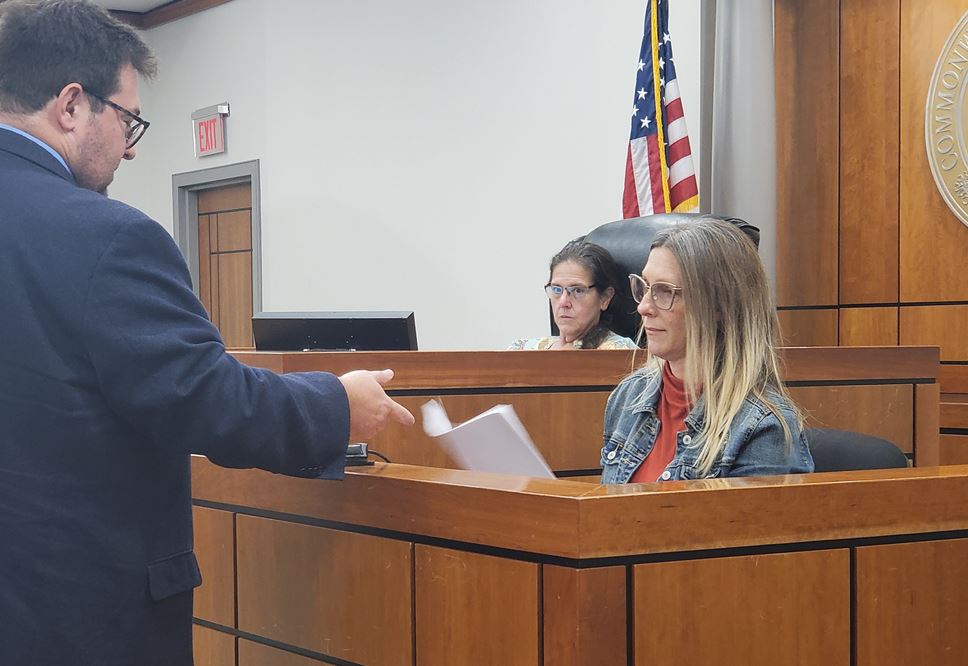
Again this year, our interns met with Dr. Danielle Smith and her husband, Assistance County Attorney, Jared Smith, to get a taste of what to expect when providing expert testimony in a court of law. Interns are provided background and psychological testing information from real (anonymous) patients before coming to trial. Mr. Smith really lays it on thick trying to make our interns nervous and see if he can get them caught up in order to help his “client”. Interns, Shakeira and Sarah, didn’t crack under pressure and gave excellent testimony.

This experience is always fun and a good way to introduce interns into court proceedings. Mr. Smith and Dr. Smith do an excellent job at giving insight into how expert testimonies play out in the justice system and also help our interns learn how to stay cool, calm, and collected while on the stand.

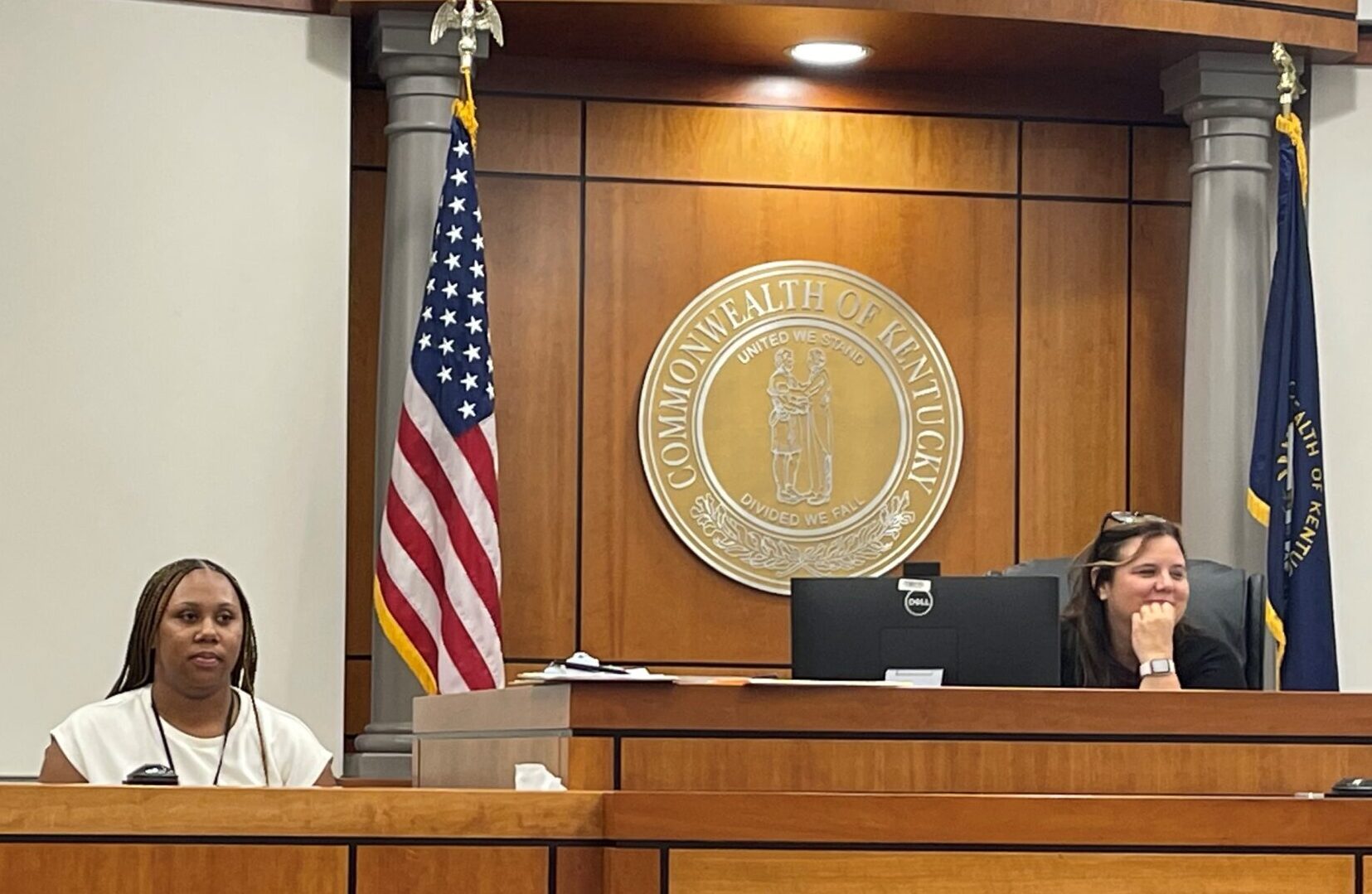
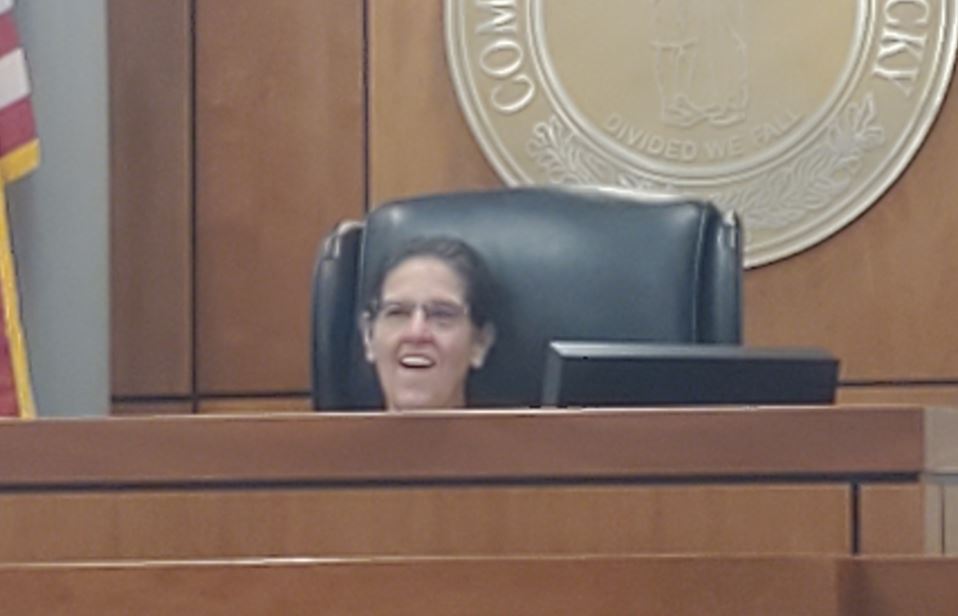
The Honorable “Judge” Mullins-Couch
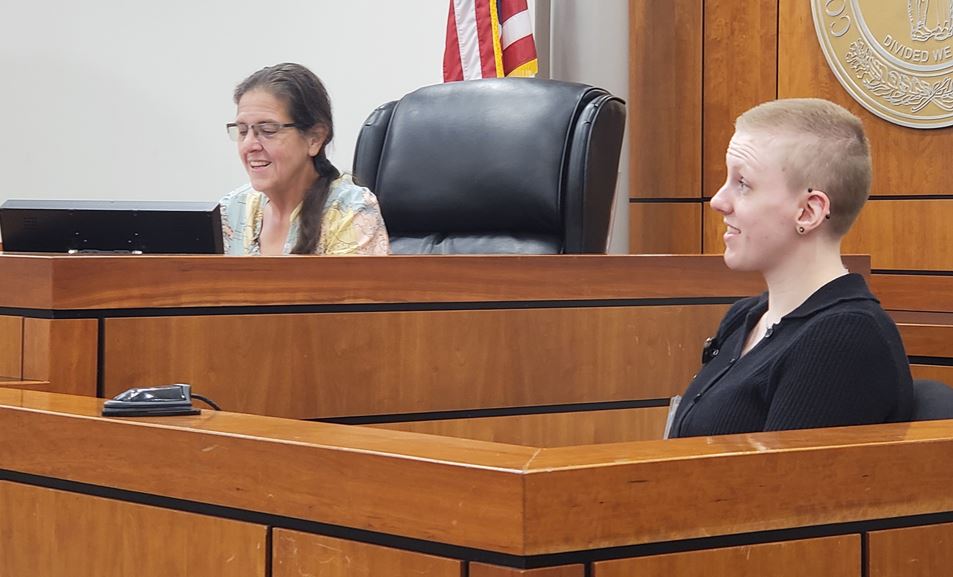
Sarah swearing an oath to tell the whole truth
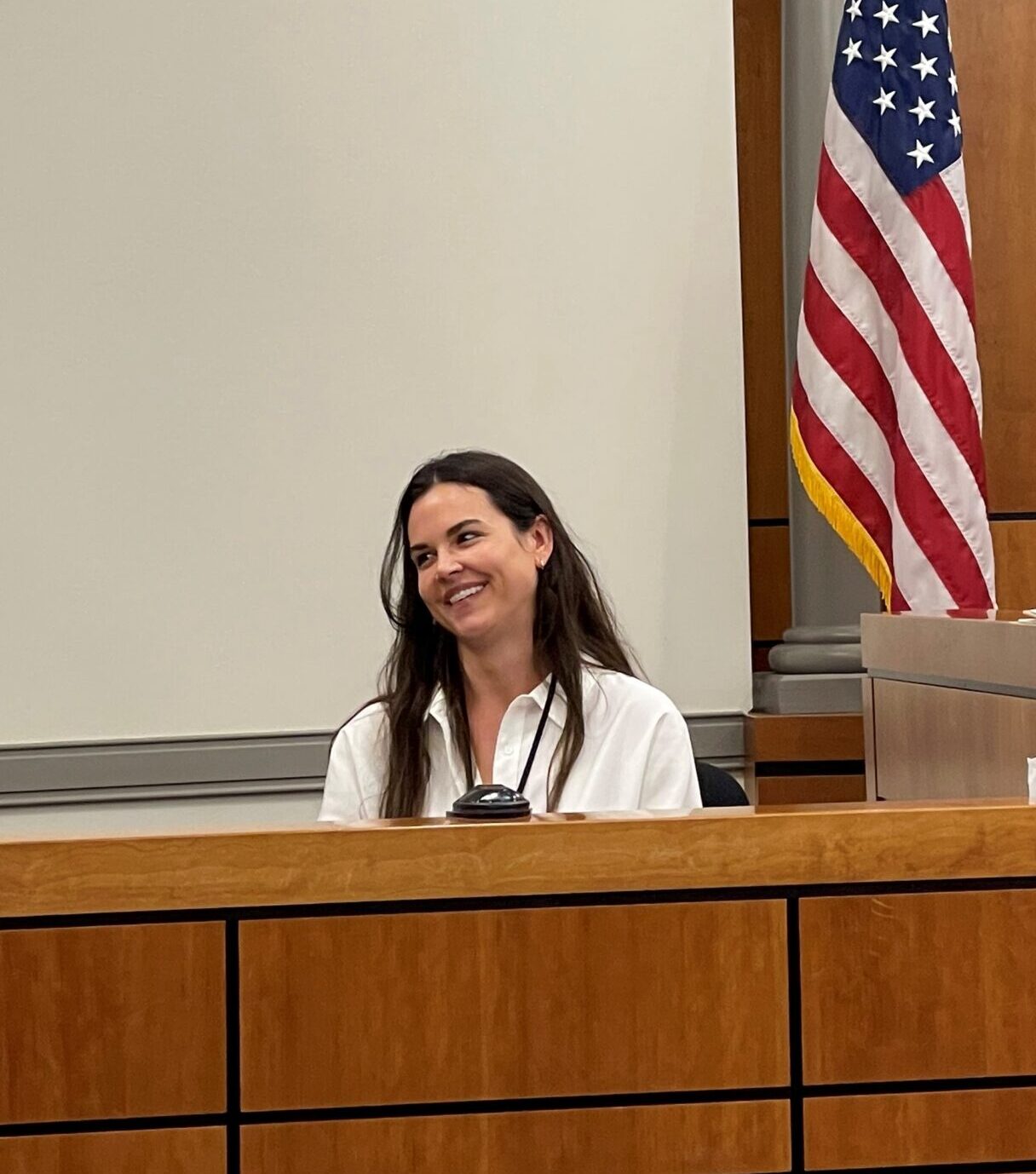
She was so relieved when it was over
Shakeira swearing her oath
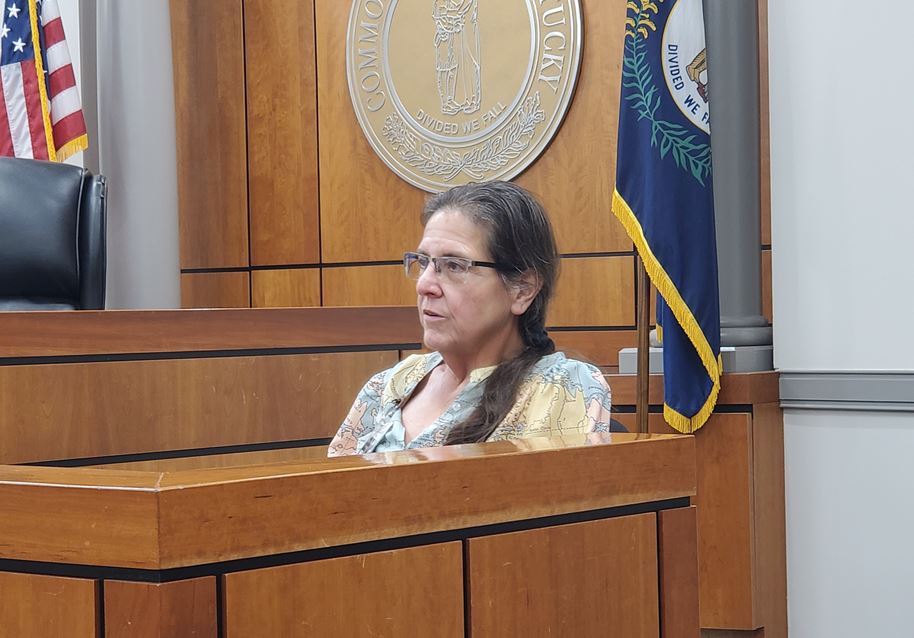
Shakeira kept a great poker face during her testimony. “Judge” Mullins… not so much!

April Journical Club – Black Maternal Health and Medical Conditions Predictability by Social Media Posts

Lynn provided us with a two in one presentation this month.

First was a short information presentation for Black Maternal Health Week. Lynn recently became a first time mom and has helped to shed light on maternal health facts that affect black women.

Lynn’s second part of the presentation focuses on how social media posts are being linked to common health issues, such as depression, diabetes, and anxiety.

Predicting Medical Conditions – Lynn Murphy – April 2024


June Journical Club: ART for PTSD

Journical Club- Shakeira Frye

Article: Kip, K. E., Berumen, J., Zeidan, A. R., Hernandez, D. F., & Finnegan, A. P. (2019). The emergence of accelerated resolution therapy for treatment of post‐traumatic stress disorder: A review and new subgroup analyses. Counselling and Psychotherapy Research19(2), 117-129.


Purpose: This article discussed the effectiveness of Accelerated Resolution Therapy (ART) for treating individuals with Post-traumatic Stress Disorder (PTSD), specifically among military personnel and individuals with traumatic brain injury (TBI). The article described PTSD as a chronic, disabling psychiatric disorder that is characterized by being exposed to actual or threatened death, serious injury or sexual violence that leads to persistent re-experiencing of the details associated with the traumatic event, avoiding stimuli that evoke thoughts or feelings about the event, negative changes in cognitions and mood related to traumatic event. The article emphasized ART’s potential as a reasonable, shorter alternative to traditional PTSD treatments, especially for military populations with difficult clinical presentations.

What is ART: ART therapy was described as an emerging trauma-focused psychotherapy that is brief relative to other treatments. This article aimed to describe the ART clinical protocol and the theoretical foundations. The protocol consists of four primary steps which included Relaxation and Orientation, Imaginal Exposure, Imagery Rescripting, and Assessment and Closeout. In the Relaxation and Orientation step, the client identifies and states the specific traumatic event they want to address. Next, the therapist directs the patient to focus on their bodily sensations while also performing a set of eye movements. In the Imaginal Exposure step, the client is directed to begin visualizing the traumatic event in their mind from start to finish while also performing eye movements. Again, the therapist asks the client to pay attention to any somatic, emotional, or physiological sensations that they may be experiencing. Those sensations are then processed with a set of eye movements until they are comfortable returning in their mind to the place they left off in the traumatic event. This step is completed when the client can visualize their experience from start to finish two times. The third step, Imagery Rescripting, involves the client being directed to imagine a new and preferred way of visualizing their experience while performing eye movements. The final step, Assessment and Closeout, includes reinforcing techniques which are used to assess if there are any areas of the traumatic event that still causes the client to generate visceral responses.

Study and Results: This study consisted of 291 participants who received at least one session of ART across four studies. The participants were classified based on their TBI status (no TBI, mild TBI, moderate TBI or severe TBI). The participants also had to have symptoms related to PTSD. The results of this study indicated that there were significant reductions in PTSD symptoms among participants. On average, the participants showed a 20.6-point reduction on the PTSD Checklist (PCL) after ART treatment, with 60.8% experiencing a clinically meaningful reduction of symptoms. Among the military personnel with TBI, the response rates to ART were similar regardless of TBI severity.
2023 Mock Trial Seminar

Each year, we meet with Forensic Psychologist (and former WSH intern) Dr. Danielle Smith and her husband, Asst. District Attorney Jarred Smith, Esq., to give our interns a look at how forensic testimony in court proceedings carry out. Jarred does not hold back on grilling our future docs but sometimes “Judge” Vaught throw her weight around as well. It’s a fun, interesting learning experience we are thankful to have offered to us and hope to continue.

Probably the happiest “Judge” ever!

Taylor giving her testimony

Dr. Vaught making sure everyone remembers who the expert is

Mr. Smith, “It’s Dr. Anderson actually”