
Friday Factoids: Alien Hand Syndrome


Though it may sound like the title to a straight-to-DVD sci-fi movie, Alien Hand Syndrome (AHS), sometimes referred to as Alien Limb Syndrome, is a true disorder that it quite horrific and troublesome to those who suffer with it. This rare disorder is neurological in origin. The “alien” hand functions involuntarily without the owner’s awareness of its actions. Some of the lesser symptoms associated with AHS are involuntary grasping, pulling at clothing, and reaching or touching ones face.  Some of the more serious symptoms are self-inflicted choking or pinching, inhibiting the “normal” hand from implementing tasks, and involuntarily forcing food into the owner’s mouth.


AHS was first documented in 1908 by Neuropsychiatrist, Kurt Goldstein. It is theorized by some that the cause of AHS is traumatic brain injury or lesions to the thalamus, supplementary motor cortex, posterior parietal cortex, anterior cingulate, anterior prefrontal cortex, or the corpus callosum. Several more believe they have linked AHS to a disconnect between differing sections of the brain that are responsible for conscious body movements. Others, however, hypothesize that the release of the primary motor cortex from conscious control is behind the unwanted or unplanned movements. Nonetheless, the exact cause of the neural contrivances has not been definitively identified.
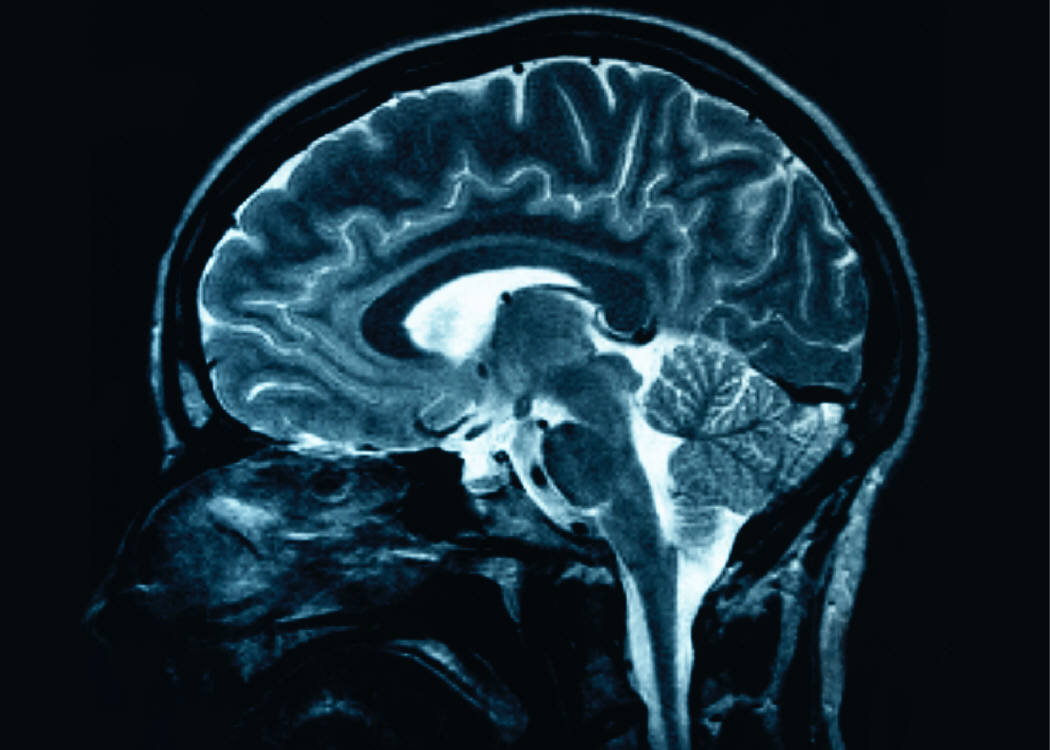
 

MP900385807There are “subtypes” of AHS which are linked to injuries/lesions in specific regions of the brain. The subtypes are callosal variant, frontal variant, and posterior variant. The callosal variant is usually associated with agonistic dyspraxia and diagnostic dyspraxia.  Agnostic dyspraxia is the involuntary movements of the alien hand (AH) when commands of movement are given and made by the unafflicted hand (UH).  An example would be a patient being told to touch their nose with their UH and their AH would involuntarily follow the action as well. Diagnostic dyspraxia is the interference by the AH in the actions of the UH. Good example of this action would be a patient trying to stir a pot and the AH trying to put a lid on the pot at the same time.


The frontal variant subtype is almost always associated with injury/damage to the frontal lobe. The actions of the AH with this subtype are involuntary grasping, reaching, and other purposeful movements. Often times, these movements can also be exploratory as the AH seeks an external object to grasp.  Once an object has been grasped, it is extremely difficult for the patient to voluntarily release the item. They may have to resort to prying or peeling their fingers away from the item. These grasping actions can and do take place without the patient even noticing that it is occurring. Many who suffer from this subtype choose to bind or restrict the movements of the AH.


The posterior variant subtype is most usually associated with injury/damage to the occipital lobe and/or the posterolateral parietal lobe. The actions of the AH of this type are quite different from the frontal variant form. These movements tend to be more like pulling away or withdrawing the palm of the hand from contact to any surface. Any contact to that palm is undesirable. The AH will generate movements and actions to prevent or eliminate the contact all together.


Presently, the exact cause(s) of AHS is unknown. Thus, a cure for the syndrome has not been developed. Continued research to identify the correct theory/theories or exact cause as well as a functional treatment are needed.


Work Cited

Alien hand syndrome. (n.d.). Retrieved June 13, 2016, from            http://www.medicinenet.com/script/main/art.asp?articlekey=12655


Harris, S. V. (n.d.). Alien Hand Syndrome sees woman attacked by her own hand. Retrieved       June 13, 2016, from http://www.bbc.com/news/uk-12225163


Mark, V. W. (n.d.). Alien Hand Syndrome. 5th Annual International Conference on Education    & E-Learning (EeL 2015). doi:10.5176/2251-1814_eel15.8


Crystal Bray
WKPIC Doctoral Intern

Friday Factoids Catch-Up: Binge-Eating Disorder


We have all heard or used the phrase “binge eating” or “binging.” It is a phrase that gets thrown around often, especially during the Thanksgiving and Christmas holiday seasons.  Most of us use it to describe eating more than normal portions at a meal or continuing to take a few more bites because it tastes so good!  However, true binge eating can be a psychological disorder.


Binge-Eating Disorder (BED) is a new diagnosis added to the category of Feeding and Eating Disorders found in the DSM-5. It is the most common eating disorder in the United States. The number of those suffering from BED outnumbers individuals experiencing anorexia and bulimia combined by more than three times. Current estimates suggest that 3.5% of women and 2% of men suffer from this disorder. While the estimated number of people experiencing BED might not initially seem large, when calculated it comes out to be 2.8 million American adults. That puts it into perspective.


So what exactly is BED? It is considered to be, “Eating in response to something other than physical hunger in an attempt to numb unwanted or uncomfortable emotions that goes beyond emotional eating or compulsive overeating,” (Binge-Eating Disorder, 2016).  During these binge episodes, individuals have uncontrollable and unstoppable urges to eat.  They will even eat to the point of discomfort and/or actual pain.  Additionally, during an episode, a BED sufferer may consume several thousand calories which can be very unhealthy. Afterwards, they often feel shameful and guilty. Many desperately try to hide their binge eating from others.


The DSM-5 lists the following official criteria for a BED diagnosis:

A.            Recurrent episodes of binge eating characterized by both 1.) Eating in a discrete period of time an amount of food that is definitely larger than most people would eat in a similar period of time under similar circumstances 2.) a sense of lack of control over eating during the episode

B.            The episodes are associated with three or more of the following 1.) Eating much faster than usual 2.) Eating to the point of discomfort or pain 3.) Eating large amounts of food even though you are not physically hungry 4.) Eating alone due to embarrassment resulting from the large amount of food consumed 5.) Feeling guilty, shameful and/or disgusted after the episode.

C.            Increased stress due to binge eating

D.            Experiencing binge eating episodes at least once a week for three months

E.            Binge eating is not followed by unsuitable, compensatory actions (such as bulimia) and does not occur in concurrence with anorexia or bulimia nervosa.


While approximately 30% of individuals with BED fall within normal weight categories for their height, 70% are considered overweight. Bullying, shaming and stigmas surrounding weight can often trigger more intense and/or more frequent episodes of binge eating as well as additional emotional distress. Some additional, common psychological issues that those who suffer from BED experience are OCD, anxiety, and depression. Common physical health issues also experienced are type 2 diabetes, heart disease, sleep apnea, high blood pressure, and osteoarthritis.


Individuals suffering from the symptoms of BED often feel like they are out of control. Through repetition of binge eating, their brains have actually been altered to respond to food in a very comparable way to that of the brain of a substance user/drug addict.  Unfortunately, though, they can’t just stop eating. Therefore, the goal of treatment for BED is a reduction or complete cessation of binging episodes. Treatment teams consisting of an individual’s PCP, psychologist and dietician have proven to be more effective then utilizing one of the services alone.  Support groups for individuals suffering from BED as well as additional resources can now be found online.


Works Cited
“Binge-Eating Disorder.” Binge-Eating Disorder. N.p., n.d. Web. 02 June 2016.      http://www.niddk.nih.gov/health-information/health-topics/weight-Control/binge_eating/Pages/binge-eating-disorder.aspx


“Binge-eating Disorder.” Overview. N.p., 2016. Web. 03 June 2016. http://www.mayoclinic.org/diseases-conditions/binge-eating-disorder/home/ovc-20182926 – 37k


“Eating Disorders: About More Than Food.” NIMH RSS. N.p., n.d. Web. 03 June 2016.        https://www.nimh.nih.gov/health/publications/eating-disorders-new trifold/index.shtml


“Info about Binge-Eating Disorder in Adults.” Binge-Eating Disorder. N.p., n.d. Web. 02 June 2016. http://www.bingeeatingdisorder.com/


Crystal Bray
WKPIC Doctoral Intern

Friday Factoids Catch-Up: Understanding Naltrexone

Unfortunately, in the world we all live in today, most of us know someone who is suffering from opioid and/or alcohol addiction. That or we are struggling with it in our own lives. Regardless of the initial purpose behind using either substance, finding a true cure for those who have become addicted to these substances has become vital, and even more urgent. Enter Naltrexone.


Naltrexone is a prescription drug that is predominantly used in the management of opioid and alcohol dependence. It is sold under the legal trade names of Revia, Depade, and Vivitrol (a once-monthly, extended-released, injectable formulation).  Naltrexone is also being used to help save the lives of individuals who have overdosed on opioids. EMS units, ER’s, and even pharmacies carry it for this exact purpose. It literally reverses the effects of opioids within minutes, but how does it work for addiction?


For opioid addiction, naltrexone acts as a blocking agent. It attaches itself to opioid receptors in the brain. It then prevents the receptors from up-taking any the substance which in turn prevents the pleasurable feelings caused by the opioids.  However, it does not prevent good feelings that come from other naturally pleasurable activities.  This action makes it very beneficial, along with therapy, to assist with opioid relapse prevention.


For alcohol addiction, scientists and doctors are not certain how Naltrexone works but do know it decreases the cravings for alcohol. It is hypothesized that, as with opioid addiction, it works as a blocking agent and prevents the pleasurable feelings drinking alcohol promotes because it partially prevents the uptake of endorphins associated with euphoric inebriation.


Whether taken for alcohol or opioid addiction, Naltrexone does have serious side effects. These include confusion, auditory and/or visual hallucinations, blurred vision, severe vomiting and/or diarrhea, and liver damage. The less severe and more common side effects are nausea, difficulty falling or staying asleep, increased or decreased energy, drowsiness. muscle or joint pain, rash, vomiting, stomach pain or cramping, mild diarrhea, constipation, loss of appetite, headache, dizziness, anxiety, nervousness, irritability and/or tearfulness.


Any individual interested in obtaining a prescription for Naltrexone would need to consult with their medical doctor and be undergoing outpatient/inpatient therapy for substance abuse treatment.


Work Cited
Naltrexone: MedlinePlus Drug Information. (n.d.). Retrieved May 30, 2016, from             https://www.nlm.nih.gov/medlineplus/druginfo/meds/a685041.html


VIVITROL® Official Site | VIVITROL® (Naltrexone for extended-release injectable       suspension). (n.d.). Retrieved May 30, 2016, from https://www.vivitrol.com/


Crystal Bray,
WKPIC Doctoral Intern


Friday Factoid Catch-Up: Yeast Infection Linked to Mental Illness


Candida albicans is a yeast-like fungus naturally found in small amounts in human digestive tracts. Symptoms cause burning, itching, thrush, and genital yeast infections. In its more serious forms, it can enter the bloodstream. Most Candida infections can be treated in their early stages, and clinicians should make it a point to look out for these infections in their patients with mental illness. Decreased sugar intake and other dietary modifications, avoidance of unnecessary antibiotics, and improvement of hygiene can prevent Candida infections.


Johns Hopkins researchers focused on a possible association between Candida susceptibility and mental illness. There has been growing evidence suggesting that Schizophrenia may be related to problems with the immune system. For the study, researchers took blood samples from a group of 808 people between the ages of 18 and 65. This group was composed of 277 controls without a history of mental disorder, 261 individuals with Schizophrenia and 270 people with Bipolar Disorder. The researchers used the blood samples to quantify the amount of immunoglobulin G antibodies to Candida, which indicates a past infection.


The research group found that a history of Candida yeast infections was more common in a group of men with Schizophrenia or Bipolar Disorder than in those without these disorders, and that women with Schizophrenia or Bipolar Disorder who tested positive for Candida performed worse on a standard memory test than women with these mental health disorder who had no evidence of past infection. The researchers caution that their findings and do not establish a cause-and-effect relationship between mental illness and yeast infections. This may support the role of lifestyle, immune system weaknesses and gut-brain connections as contributing factors to the risk of psychiatric disorders and memory impairment.


The study found no connection between the presence of Candida antibodies and mental illness overall in the total group. But when the investigators looked only at men, they found 26 percent of those with Schizophrenia had Candida antibodies, compared to 14 percent of the control males. There was not any difference found in infection rate between women with Schizophrenia (31.3 percent) and controls (29.4 percent). Men with Bipolar Disorder had clear increases in Candida as well, with a 26.4 percent infection rate, compared to only 14 percent in male controls. The researchers found that this association could likely be attributed to homelessness. However, the link between men with Schizophrenia and Candida infection could not be explained by homelessness or other environmental factors. Many people who are homeless are subjected to unpredictable changes in stress, sanitation and diet, which can lead to infections like those caused by Candida. The data provided support to the idea that environmental exposures related to lifestyle and immune system factors may be linked to Schizophrenia and Bipolar Disorder.


To determine whether infection with Candida affected any neurological responses, all participants in the study were assessed with the Repeatable Battery for the Assessment of Neuropsychological Status (RBANS) Form A to measure immediate memory, delayed memory, attention skills, use of language and visual-spatial skills. Results showed that the control group had no measureable differences. However, the researchers noticed that women with Schizophrenia and Bipolar Disorder who had a history of Candida infection had lower scores on immediate and delayed memory than the controls.


The data showed that some factor associated with Candida infection, and possibly the organism itself, plays a role in affecting the memory of women with Schizophrenia and Bipolar Disorder. The researchers are investigating whether pathogens, such as bacteria or viruses, may contribute or trigger certain mental disorders.


Reference:
Yolken, R., Gressitt, K., Stallings, C., Katsafanas, E., Schweinfurth, L., Savage, C.,…Markus, F. (2016). Candida albicans exposures, sex specificity and cognitive deficits in schizophrenia and bipolar disorder. Nature Paper Journals. doi:10.1038/npjschz.2016.18


Jonathan Torres, M.S.
WKPIC Pre-doctoral Intern


Friday Factoids Catch-Up: Controversial Illnesses–Morgellons Disease


Morgellons Disease is a controversial and poorly understood condition in which unusual thread-like fibers appear under the skin. The patient may feel like something is crawling, biting, or stinging all over. Some medical experts say Morgellons is a physical illness, while others suggest it is a type of psychosis called “delusional parasitosis,” in which a person thinks parasites have infected their skin. Patients with delusional parasitosis often present pieces of clothing lint, skin, or other debris and place them in plastic wrap, on adhesive tape, or in matchboxes. They typically state that these contain the parasites; however, these collections have no insects or parasites.


Symptoms that are typically associated with Morgellons are unpleasant skin sensations, feeling like bugs are crawling all over the skin, burning or stinging sensations under the skin, intense itching, skin sores that appear suddenly and heal slowly, sores that leave very red scars, and reports thread-like fibers stuck in the skin. People with Morgellons sometimes complain of other symptoms which may include extreme fatigue, hair loss, joint and muscle pain, nervous system problems, tooth loss, sleep problems, and short-term memory loss. Doctors often tell patients that this is an “unexplained dermopathy,” which means a skin condition that occurs without a known reason. Other medical professionals have called the condition a “fiber disease.”


In the past, few doctors had heard of Morgellons. But in response to scattered reports, the Centers for Disease Control and Prevention (CDC) worked together with several other health care agencies to investigate this condition. Most reports come from California, Texas, and Florida, although patients have been seen in all 50 states. A CDC study found that Morgellons is most likely to affect middle-aged white women. Oddly enough, delusions of parasitosis also occur primarily in white middle-aged or older women.


The question of whether Morgellons is a disease or a delusion has prompted debate and new research in recent years. The CDC states that the condition is not caused by an infection or anything in the environment. The CDC study also included a lab analysis of skin fibers in Morgellons patients. The analysis showed that these fibers were mostly cotton, such as typically found in clothing or bandages. From a 2012 study, neuropsychological testing revealed a substantial number of study participants who scored highly in screening tests for one or more co-existing psychiatric or addictive conditions, including depression, somatic concerns, and drug use.


Others researchers say that Morgellons results from an infectious process in the skin cells. Research also revealed that the skin sores seemed to be the result of long-term picking and scratching the skin. Previous case studies have suggested that Morgellons may be linked to Lyme disease. Some patients with signs and symptoms of Morgellons had tested positive for the bacteria that causes Lyme disease. But according to Morgellons researchers at Oklahoma State University, there is no evidence to prove this theory. Likewise, there was no evidence of Lyme infection in any of the people in the CDC study. A 2010 study found a potential link between Morgellons symptoms and hypothyroidism. More research needs to be done to further investigate the findings.


There is no known cure for Morgellons. Treating any medical or psychiatric problems that occur at the same time as Morgellons may help ease symptoms in some patients. Medical researchers usually recommend that patients with these symptoms should undergo psychiatric evaluation. Some people who suspect they have Morgellons disease claim they have been ignored or dismissed as fakers. It is not uncommon for people who report signs and symptoms of Morgellons disease to resist other explanations for their condition,


References:
Ballatyne, C. (2009). “What is Morgellons Disease? Is it a physical or psychological condition?” Scientific American.  Retrieved from http://www.scientificamerican.com/article/morgellons-disease-parasites-skin-psychiatric/


Pearson, M.L., Selby, J.V., Kenneth, K.A., Cantrell, V., Braden, C.R., Parise, M.E.,…Lewis, B. (2012). Clinical, Epidemiologic, Histopathologic and Molecular Features of an Unexplained Dermopathy. Plos One. Retrieved at http://journals.plos.org/plosone/article?id=10.1371/journal.pone.0029908
The Morgellon Research Foundation. (n.d.)What is Morgellons Disease? Retrieved from http://www.morgellons-research.com


Jonathan Torres
WKPIC Pre-doctoral Intern