WKPIC is thrilled to announce that former intern Danielle McNeill has completed licensure in the State of Kentucky! She’s all official now!
WAY TO GO, DR. MAC!!

<You are now free to recruit minions of your very own.>

WKPIC is thrilled to announce that former intern Danielle McNeill has completed licensure in the State of Kentucky! She’s all official now!
WAY TO GO, DR. MAC!!
<You are now free to recruit minions of your very own.>
I admit it. WE’RE BEHIND.
But, we’re starting our catch-up today! With something very, very, very important.
Former intern Brittany Best (2014-2015) is one step closer to being official!

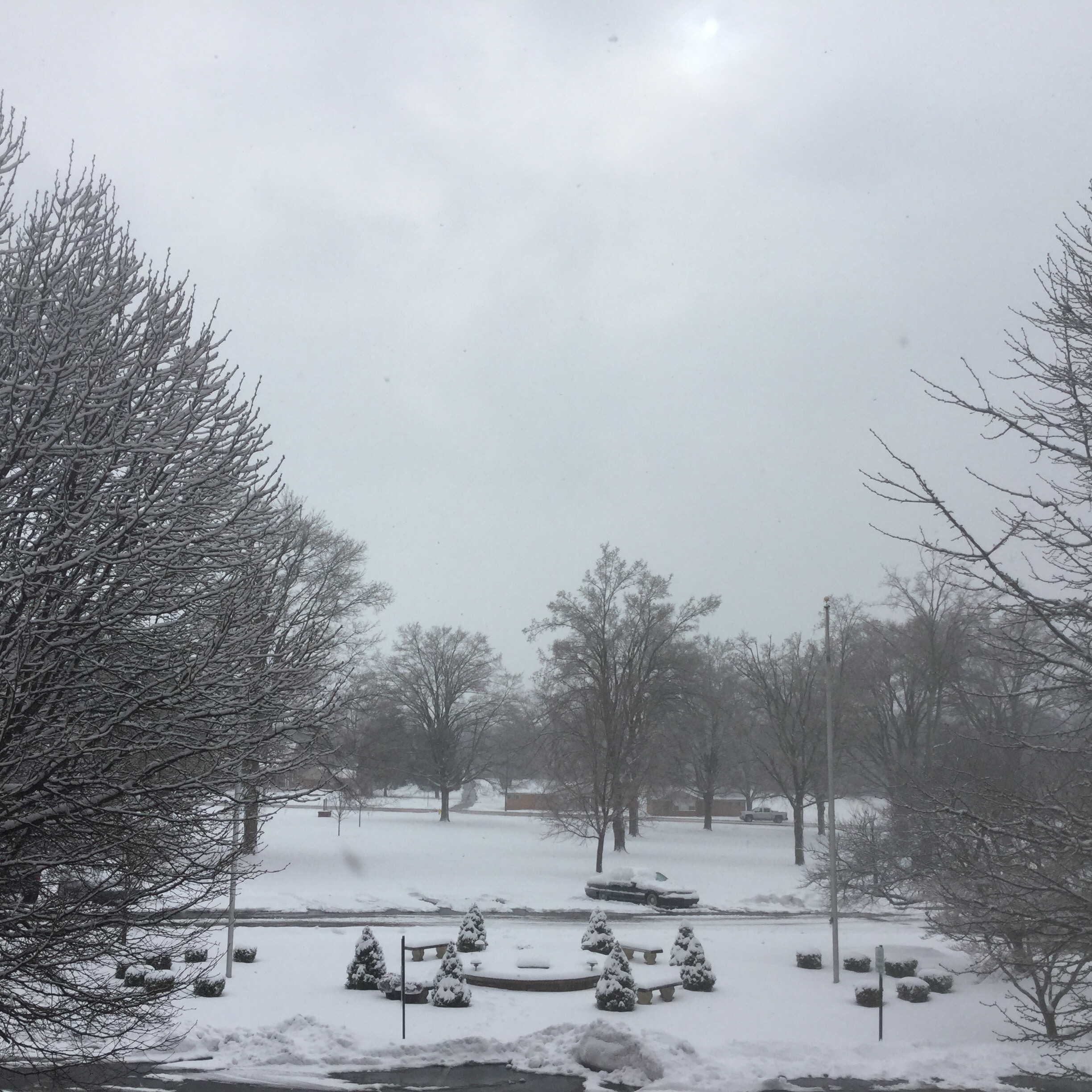
 WKPIC would like to extend a belated thank-you to the interns who participated in our first ever weather-necessitated Skype interviews. With closed interstates, a state of emergency in Kentucky and elsewhere, and buckets of snow dumping out of the sky–you guys were champs. We all made it through! Whether you match with us or elsewhere, good luck in all that you do.

Susan R. Redmond-Vaught, Ph.D.
Director, WKPIC
We are moving through our interviews at this time, running approximately 15 minutes behind schedule due to initial technical difficulties. Thank you for your patience, applicants!
Susan R. Redmond-Vaught, Ph.D
Director, WKPIC
The happiest time of year can actually be quite miserable. For a select few, the months of November and December can be overwhelming, stressful, exhausting, depressing and filled with dread. The thoughts of finding the ideal gift, planning the most wonderful meal, going into debt, seeing family and all the travel are almost unbearable. All around they see bubbly people, hear upbeat music and are enthralled with cheerful advertisements of perfection (perfect family, meal, gifts) and they begin to feel even more down in the dumps, lonely, inadequate and pressured to live up to unrealistic expectations. They have the holiday blues.
While “holiday blues” is not a clinical diagnosis, Major Depressive Disorder is. It can often be mislabeled and/or underestimated this time of year. Depression symptoms and severity are different for each individual, so not everyone will be affected the same–but it can be debilitating for some. Here are some of the symptoms to remain aware of as clinicians, and as people who may experience these issues as well:
• Feeling sad, down and/or blue nearly every day
• Being abnormally irritable and/or grouchy
• Finding it difficult to enjoy things once liked or loved
• Changes in sleep pattern – either not enough or too much, trouble falling
asleep, trouble staying asleep, trouble getting up
• Change in appetite – either lose weight or gain weight
• Feeling worthless
• Feeling guilty
• Problems concentrating or focusing
• Decreased energy
• Low, sad or irritable mood
• Thinking about or wishing to fall asleep and never wake up
• Having actual thoughts of self-harm or suicide.
If you or someone you know is experiencing a combination or all of the above symptoms, then you should schedule an appointment with a mental health professional as soon as possible. If you are having thoughts of ending your life, then please tell someone immediately, call 911 or contact The National Suicide Prevention Hotline at 1-800-273-TALK (8255). While depression can negatively affect many to most aspects of life, it is treatable. Treatment options can range from therapy, medication or a combination of the two. 350,000,000 people suffer from depression worldwide and 50% will not seek help (Holes, 2015). They continue to suffer needlessly. Help is waiting and all it takes to begin is the first call.
References
Holiday Anxiety and Depression: Click for Survival Tips. (n.d.). Retrieved December 16, 2015, from http://www.medicinenet.com/holiday_depression_and_stress/article.htm
Holmes, L. (2015, January 20). 11 Statistics That Will Change The Way You Think About Depression. Retrieved December 16, 2015, from http://www.huffingtonpost.com/2015/01/20/depression-statistics_n_6480412.html
National Suicide Prevention Lifeline. (n.d.). Retrieved December 16, 2015, from http://www.suicidepreventionlifeline.org/
Crystal K. Bray
WKPIC Doctoral Intern