Case Study Presentations

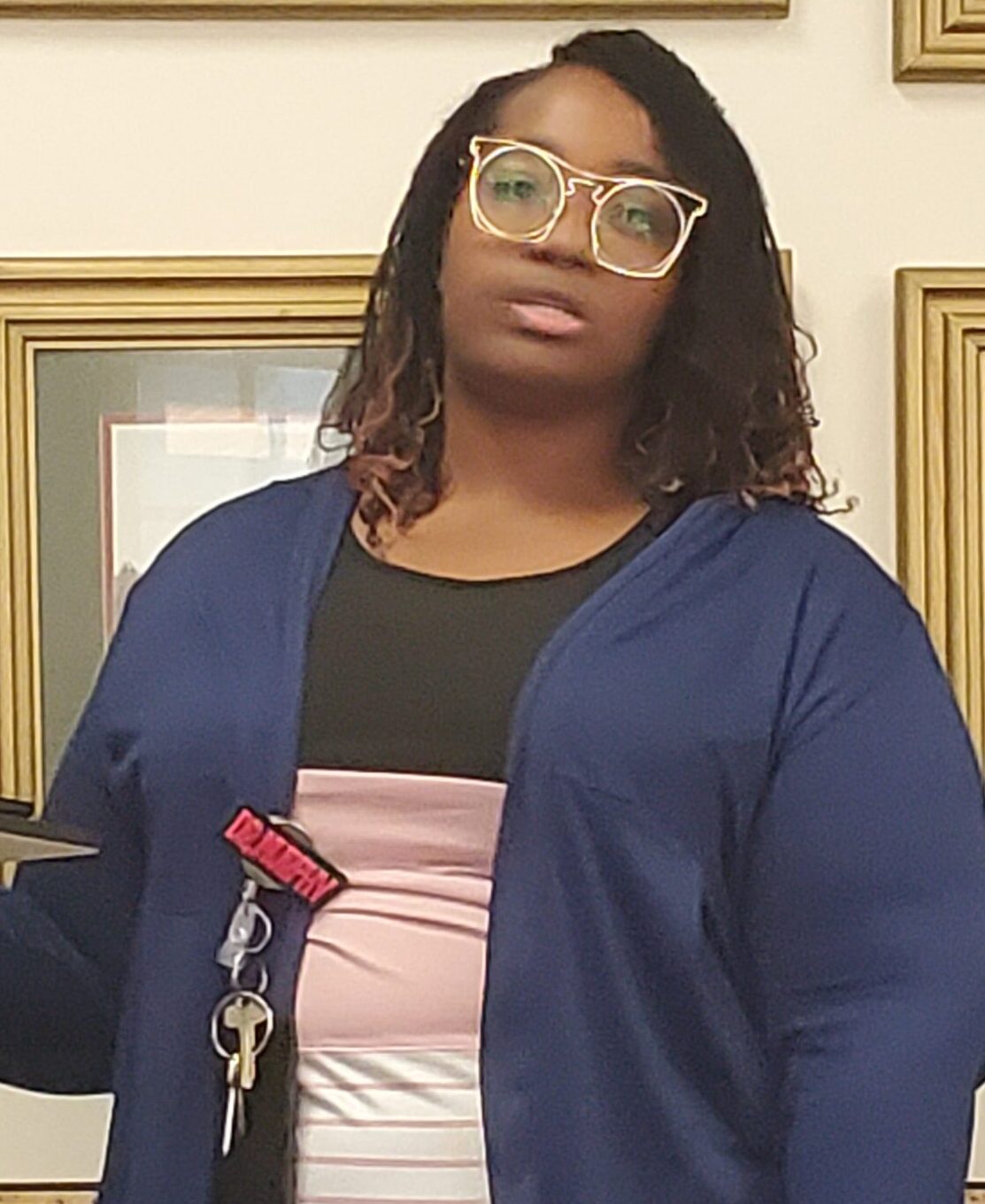
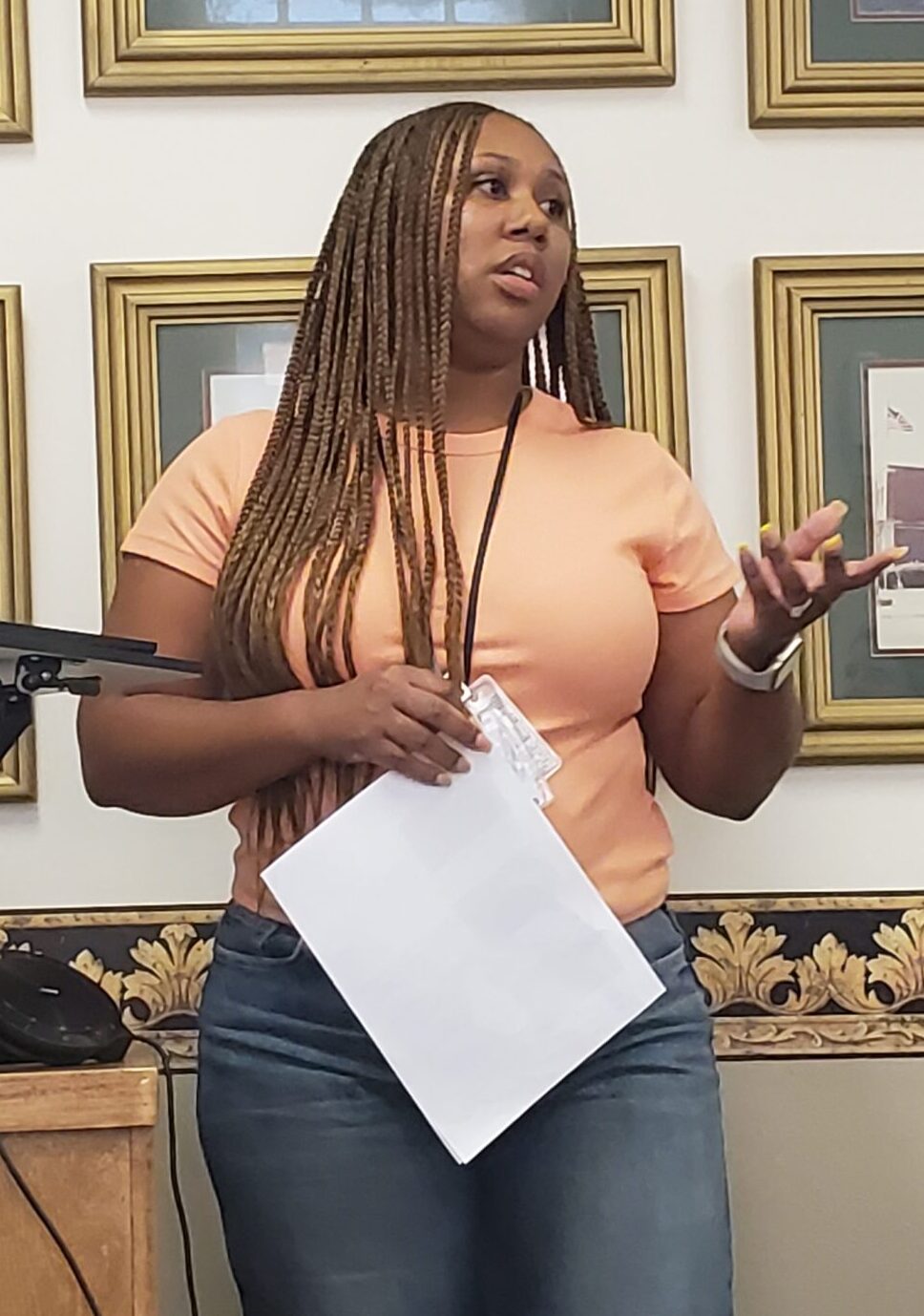
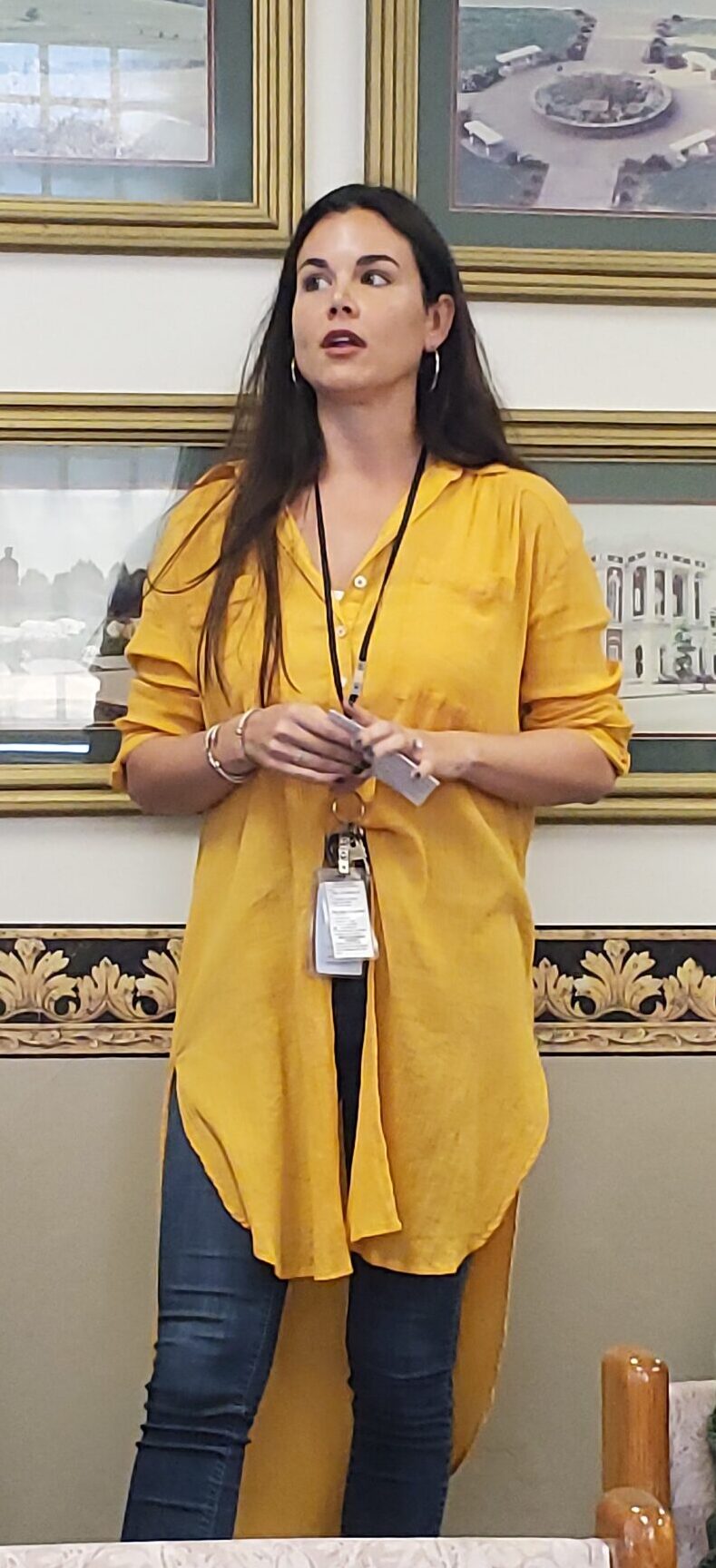
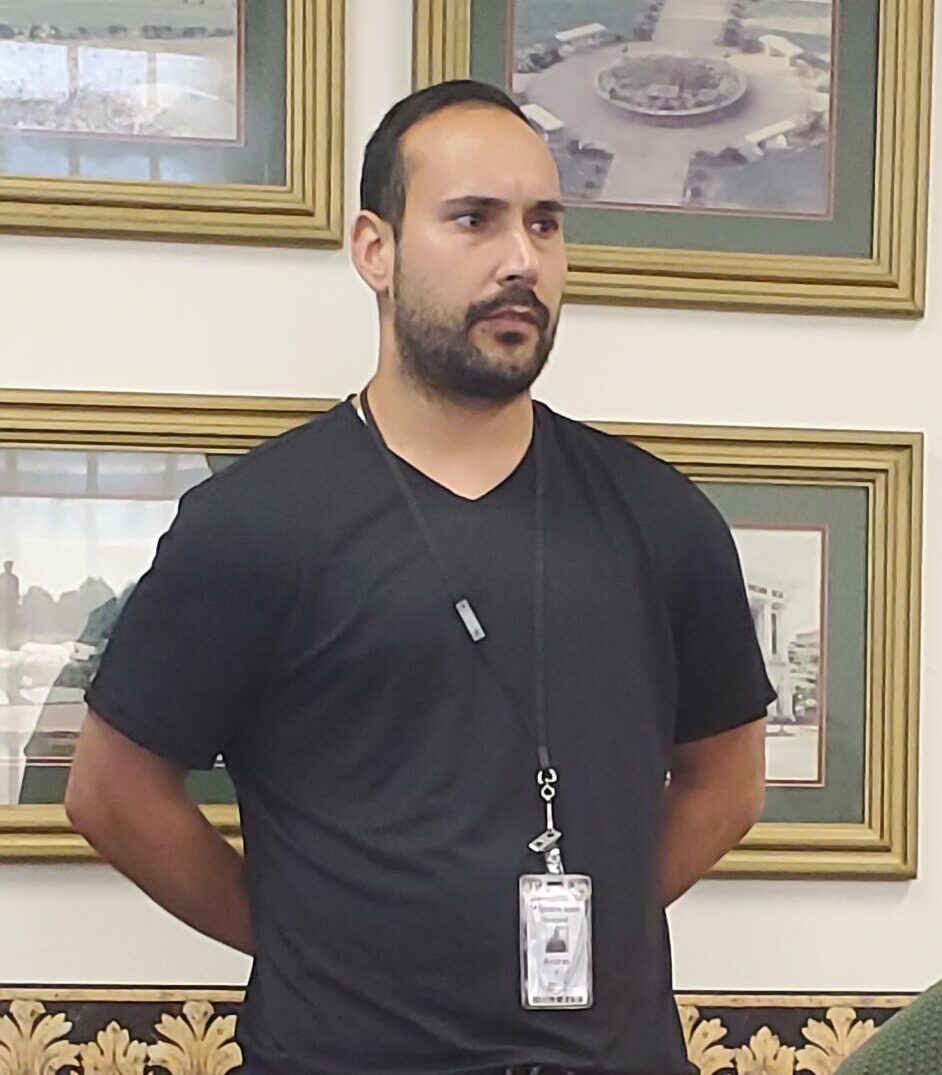
On August 6th, employees from several hospital disciplines were invited to the 2024 Case Study Presentations from our interns. At the beginning of internship year, each intern is assigned a patient whom has been identified as a challenge for our hospital treatment teams. These patient usually have had extensive psychological histories, some going back decades, and multiple admissions, not just at Western State, but other facilities as well.  Interns use records to present comprehensive histories, therapy interventions, treatment and testing recommendations to the members of these patients’ treatments teams.

These presentations are enlightening for many who attended. For staff who had not been working at the hospital as long as patients who have been coming here, interns were able to provide detailed background information that is sometimes overlooked in relevance to how it plays a part in patients’ behaviors and illness. These presentations also opened up the discussion of what and how different avenues of therapy may be beneficial.

Many thanks to our interns and Dr. Kerri Anderson for working hard on these presentations. You did a fantastic job!
Sarah
Andy
Lynn
Shakeira

Friday Factoids: New Insights Into Violence Related to Mental Illness


Past research indicates that mental illness is noted to be a modest risk factor for violence, with only 4% of violence in the United States attributed to individuals with mental illness”(Monahan et al., 2001 and Swanson, 1994, as cited in Skeem, Kennealy, Monahan, Peterson, & Appelbaum, 2015).  Rather, violent acts committed by individuals with mental illness is only associated with a fraction or a small subgroup of this population.


Unfortunately, little is known about how often and how consistently high-risk individuals with mental illness experience delusions or hallucinations prior to violent acts (Skeem et al., 2015).  Thus, in order to determine if psychosis preceded violence, Skeem, Kennealy, Monahan, Peterson, and Appelbaum (2015) used data from the MacArthur Violence Risk Assessment study to examined 305 violent incidents committed by 100 former inpatients.


Results indicated that in 12% of the 305 incidents, delusions and hallucinations immediately preceded the act.  Also the data indicated that for a large portion of the sample, violence was consistently not preceded by psychosis (80%) whereas a smaller group of individuals reported some psychosis-preceded violence (20%). Again, this suggests that within the sample, groups can be disaggregated into the majority with non-psychosis preceding violence from those with psychosis-preceding violence.


This study does not indicate a causal link between psychosis and violence; rather, it indicates a relationship or temporal ordering for these events.  Overall, the data indicate that psychosis sometimes preceded violence for high-risk individuals.  Yet, psychosis-preceded violent acts tend to be concentrated within a subgroup of high-risk patients.  Treatment implications note that for individuals with psychosis-preceded violence, delusions and hallucinations should be a focus of treatment targeting violence prevention.  Even still, providers must consider other precipitating factors associated with violence.


References
Skeem, J., Kennealy, P., Monahan, J., Peterson, J., & Appelbaum, P. (2015). Psychosis uncommonly and inconsistently precedes violence among high-risk individuals. Clinical Psychological Science. Advance Online Publication. doi: 10.1177/2167702615575879


Dannie S. Harris, M.A., M.A., M.A.Ed., Ed.S.
WKPIC Practicum Trainee


Changing the expectations of those with mental illness


It is important to ask the question, do we BELIEVE that the person we are working with can live a productive life?  At times it can be hard to do so.  The amount of trauma some individuals have faced in their lives, along with illnesses once thought to be disabling, add to the thoughts of some that maybe, just maybe, the best this person can do is stay out of the hospital.


The thought process connected to this must change in order to best serve the patient.  As a Peer Support Specialist, I go into it with the memories of the once overwhelming and nearly incapacitating effects of Bipolar Disorder I and PTSD.  I remember the long road and struggle to get well after diagnoses.  The bouncing back and forth from stable to symptomatic was frustrating until I found the right combination of medication. I also look at my life now and know that I can live a productive life.  If I can, why can’t other patients in this hospital?


A “productive” life can look differently to every individual.  Productive to some might mean volunteering; to others the word might mean staying sober.  Others may return to work and pursue a career like Kay Redfield Jamison, a well-known psychologist and author who writes about her own journey with Bipolar Disorder.  My victory was getting my degree and returning to employment.  I’m not cured by any means.  I still must work at it, as I tell the patients (peers) with whom I speak.  I go to my psychiatrist, my therapist, I watch my sleep patterns, and I try to manage my stress levels.


To some the goal may be to simply stay out of the hospital, but we must believe they can achieve beyond that.  Rebuilding their self-image and instilling hope may help make them realize that there IS life after diagnoses.  Others have done it successfully. A mental illness can become a small part of a person’s life.


Rebecca Coursey, KPS

Peer Support Specialist


Effective Listening and Peer Support

Effective Listening and Peer Support Services The Peer Support Specialist uses “Effective Listening” techniques when working with his or her peers (patients).  According to the Kentucky Peer Support training, the difference between listening and “effective” listening is that we know what we are listening for; there are cues that guide the questions we will ask.  We try to discern the person’s current self-image, what the person thinks would improve his or her life and what he or she thinks is standing in the way of those goals.  Self-image, goals, and barriers are simple things to listen for actively.

 
It can be hard to really listen.  We try to interrupt with advice, judgments, criticisms, or comparative stories of our own, or even feel the need to one-up the person.  Effective listening means there may be moments of silence.  That is okay.  The Peer Support person’s role is to guide the peer into listening to his or her own inner truth with open, honest questions.  These questions go by the old rules of journalism: who, what, where, when, how…but “why” is never involved.  “Why” can make people defensive.  Honest questions mean that one doesn’t already know the answer.  The patient may feel his or her intelligence insulted by such questions.

 
The next time you have a conversation with a friend, try using these techniques.  It can be difficult!  Try to do as a Peer Specialist and don’t fix, save, advise, judge, or set the person straight.  Just listen and ask honest, non-judgmental questions.  It is interesting how much people really appreciate it.


Rebecca Coursey, KPS
Peer Support Specialist


“Recovery is a process of change through which individuals improve their health and wellness, live a self-directed life, and strive to reach their full potential.”

SAMHSA

Virtual Realty and Schizophrena: A New Twist on Social Skills Training


Social skills training is commonly used when treating an individual diagnosed with schizophrenia. However, there are disadvantages to using traditional social skills approach, particularly related to the individual’s motivation. Technology is increasingly used in the treatment of mental disorders. Studies have found Virtual Reality (VR) to be effective in the treatment of some anxiety disorders. Since the early 2000s, researchers are exploring the idea of using similar VR technology in the assessment and treatment of schizophrenia. In the domain of social skills training, VR technology could potentially improve the participant’s motivation during training. Additionally, the participant no longer has to rely on his or her imagination during social skills training as participants interact with virtual avatars to practice skills.


Park et al. (2011) developed a study to compare social skills training using VR role-playing (SST-VR) to traditional social skills training role-playing (SST-TR). Participants were recruited from an adult psychiatric inpatient hospital in Korea after receiving stabilization treatment for two to four weeks. Participants were randomly assigned to either the SST-VR group (n=46) or the SST-TR group (n=45). Symptom severity was assessed before and after social skills training. Both groups received 10 semiweekly sessions over the course of five weeks. Of the 10 sessions, five sessions focused on conversation skills training, three focused on assertiveness skills training, and two focused on emotional expression skills training. Sessions were conducted as 90 minute group sessions consisting of four to five participants in the group. The only difference between the two groups was the modality of role-playing. In the SST-VR group, participants interacted with virtual avatars in a virtual environment, whereas in the SST-TR group, participants interacted with therapist actors. Voice quality, nonverbal skill, and conversational properties were the primary measures assessed during training. Self-report measures of motivation and interest in the training were also assessed.


Park et al. (2011) found that SST-VR participants had more interest in participating in the training and had a higher attendance rate compared to the SST-TR group. The researchers found that overall social skills improved regardless of training received. However, when considering the subcategories, SST-VR participants showed a greater improvement in the conversational skills domain, whereas the SST-TR participants showed a greater improvement in the vocal and nonverbal domains. The researchers hypothesized that modeling skills demonstrated by the therapist during traditional role-playing and difficulty providing accurate feedback during VR role-playing due to the VR equipment blocking the participants’ faces led to the discrepancy in scores in certain domains. It is also important to consider the participants’ perception of the role-playing task. Individuals in the SST-VR group reported feeling less anxious and more powerful than normal when interacting with virtual avatars, which is a significant advantage over traditional role-playing.


Park et al. (2011) concluded that VR role-playing is unable to completely replace traditional role-playing at this time but could in the future with advances in technology.


Park, K., Ku, J., Choi, S., Jang, H., Park, J., Kim, S. I., & Kim, J. (2011). A virtual reality application in role-plays of social skills training for schizophrenia: A randomized, controlled trial. Psychiatry Research, 189, 166-172.


Danielle McNeill, M.S., M.A.
WKPIC Doctoral Intern