WKPIC Thanks A Special Soldier for His Service


Each year on Veteran’s Day, the internet teems with posts and memes offering gratitude to soldiers for their service.


12233304_10100719717696790_1761639271_n


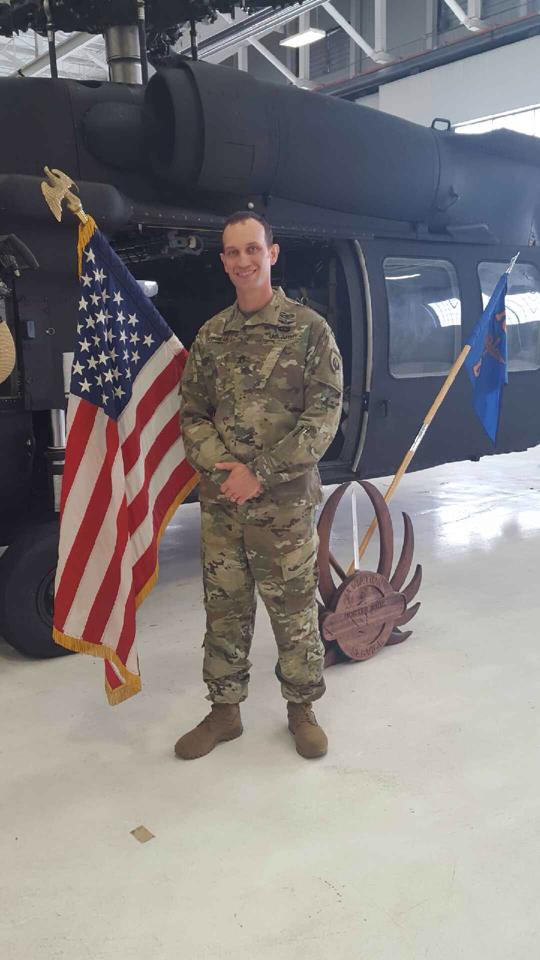
This year, WKPIC would like to extend more personal recognition to a soldier with connection to one of our own:  Staff Sgt. Joel Kuszak, a Blackhawk Crew Chief who has been deployed many times in his 14 years of service (so far).


Staff Sgt. Kuszak recently reenlisted for the last time, because he now goes on “Indefinite Status” and serves until he chooses to retire.


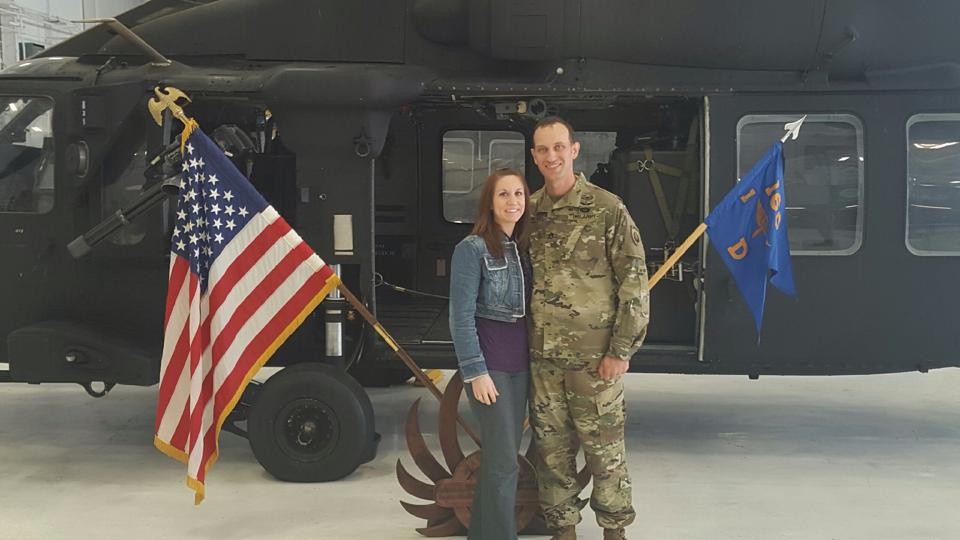
When Staff Sgt. Kuszak is away serving his country, his wife Dr. Amber Kuszak serves her fellow citizens here at home, providing excellent care to patients hospitalized with psychiatric illness, and helping to train our next generation of psychologists. She also has to parent her child, maintain her house, and hold on to her worry and concern–no small bunch of tasks, there! It’s little wonder most of us at WKPIC think she qualifies as a superhero.


From the deepest and most appreciative parts of our hearts, thank you Staff Sgt. Kuszak and Dr. Kuszak, for the sacrifices your family makes, so that our families remain safe and secure.


12231306_10100719717681820_772229991_n


Friday Factoid- Rising Mortality Rates for Middle-Aged White Americans

Case and Deaton (2015), both economists from Princeton, found that mortality rates for middle-aged white Americans have risen since 1999. In contrast, the death rate for middle-aged blacks and Hispanics continued to decline during the same period, as did death rates for younger and older people of all races and ethnic groups. They analyzed health and mortality data from the Centers for Disease Control and Prevention and other sources.


First, the authors ruled out an increase in deaths from chronic diseases such as heart disease, cancer, and diabetes. Those numbers were all either stable or trending downward. Murder and accidents were also declining. The authors concluded the rising annual death rates among this group are being driven by an epidemic of suicides. Most of the drug-related deaths in America are now caused by prescription medicines, and nearly three-quarters of those deaths are from opioid painkillers. Reliance on opioid painkillers is an epidemic that started in the late 1990s. Chronic liver diseases related to drug and alcohol use in this group were also on the rise.


Studies have found white patients with pain are more likely to be prescribed opioid painkillers. And whites have been more likely to attempt suicide when faced with physical or mental hardships. The New York Times reported 90 percent of people who tried heroin in the last decade were white. Drug addiction in black communities ultimately resulted in mass incarceration, while heroin and prescription drug abuse has been met with a more sympathetic approach, possibly because its victims are white. The only other time that death rates increased among middle-aged whites in the last century was in the 1960s because of smoking-related diseases. There was also a spike in mortality among younger adults in the 1980s during the AIDS epidemic.


One possible factor behind the substance abuse is this demographic group has faced a rise in economic insecurity over the past decade, driven by things like the financial crisis and the collapse of manufacturing. Education is also a factor. The effect was largely confined to people with a high school education or less. In that group, death rates rose by 22 percent while they actually fell for those with a college education. Mortality among the middle-aged population plummeted in the six other countries that the authors examined: Australia, Canada, France, Germany, United Kingdom, and Sweden. Although these countries also had economic problems in recent years, its residents might have been less affected because they have more social safety nets in terms of unemployment benefits and health care.


References:


Case, A. & Deaton, A. (2015) Rising morbidity and mortality in midlife among non-Hispanic Americans in the 21st century. Proceedings of the National Academy of Sciences. Retrieved from http://www.pnas.org/content/early/2015/10/29/1518393112.full.pdf


Gold, A. (2015, November 4). Why is death rate rising for white, middle-aged Americans? BBC News, Washington. Retrieved from http://www.bbc.com/news/world-us-canada-34714842


Kolata, G. (2015, November 2). Death Rates Rising for Middle-Aged White Americans, Study Finds. The New York Times. Retrieved from http://www.nytimes.com/2015/11/03/health/death-rates-rising-for-middle-aged-white-americans-study-finds.html


Storrs, C. (2015, November 4). Death rate on the rise for middle-aged white Americans. Retrieved from http://www.cnn.com/2015/11/03/health/death-rate-middle-age-white-americans/


Jonathan Torres, M.S.

WKPIC Doctoral Intern

Understanding Peer Support as a Profession

“Recovery is a process of change through which an individual improves one’s health and wellness, lives a self-directed life, and strives to reach their full potential.” This is the current definition of “Recovery” according to the Substance Abuse and Mental Health Services Administration (SAMHSA). It is a broad definition, but an inclusive one.  Full potential varies from person to person.  Living a self-directed life can be tough.


What is the role of Peer Support in promoting this definition?  For the most part, Peer Specialists are in what is called Recovery.  It was once mandatory that the specialist be in recovery for two years which meant out of the hospital and with active and successful self-care.  Now, because of the demand of these certified people, the rules have become a little more forgiving for those wanting to reach out to others in order to help promote hope.  There is no definitive time frame that an individual must wait to be a Peer Specialist.


Peer Support is reciprocal.  The specialist tries to use the skills he or she has learned to help those struggling, but the act of supporting another person helps the specialist out as well.  It gives a purpose and a reason to interact with other people.  It reminds one what is was like to be in that vulnerable time when first diagnosed; the difficulty in finding the right medication and support is a roadblock to many, and Peer Specialists know that and understand.


Peer Support has been shown to help in the process of recovery for those with serious mental illness.  Some Peer Specialists work exclusively with those struggling with substance abuse problems. There are also programs for specific populations, including Veterans.  With the requirement of continuing education, Peer Specialists must stay on top of current issues concerning mental health.  The program is quickly spreading in popularity, especially since it is now Medicaid billable.  For any questions, or if you know of a patient that may eventually enjoy providing such services, just let me know.


Rebecca Coursey, KPS
Peer Support Specialist

Friday Factoids: Psychedelic-Assisted Therapy a Paradigm Shift in Mental Health?

In 1938, Albert Hoffman synthesized lysergic acid diethylamide (LSD). After accidentally ingesting it in 1943 he deemed it the “medicine of the soul.” Psychedelic drugs carry a stigma and it is easy to have very different views about them. Some have long claimed that, when taken responsibly and with the proper supervision, psychedelics like LSD and psilocybin are safe to consume. These drugs were researched extensively in the 1950s and 1960s, but funding stalled when the substances were classified as dangerous and lacking medical value. The Controlled Substance Act of 1970 classified psilocybin, LCD, and MDMA as Schedule 1 substances, which is defined as having “no currently accepted medical use and a high potential for abuse.” Interestingly, approximately 0.005% of emergency department visits in the US involve LSD or psilocybin according to the US Department of Health and Human Services.

A growing body of evidence is beginning to show that psychedelics have therapeutic potential beyond what pharmaceutically made prescription drugs can do. A recent article published in the Journal of Psychopharmacology highlights the potential of LSD, psilocybin, and MDMA for treating a wide range of mental illnesses. Several other studies have shown positive results can come from short courses or single sessions of psychedelic-assisted psychotherapy. A study conducted for cigarette smoking at Johns Hopkins had a very high success rate with 80% of people was abstinent after six months after using psilocybin. A pilot study found a strong affect with alcoholism as well. In 2014, Swiss researchers studied the therapeutic benefits of LSD-assisted therapy in reducing anxiety in 12 patients who had been diagnosed with life-threatening illnesses. One year later, nearly all patients showed sustained reductions in anxiety with no adverse reactions. Lastly, one pilot study on 19 participants with drug-resistant PTSD showed a “significant and sustained-reduction in PTSD symptoms” in 83% of those given MDMA-assisted therapy.

The data suggest it’s the nature of the subjective experience that one has while under the effects of the substances that make psychedelics affective. Gasser P, Kirchner K, & Passie T (2015) study found the following:

Evaluations of subjective experiences suggest facilitated access to emotions, confrontation of previously unknown anxieties, worries, resources and intense emotional peak experiences. The experiences created led to a restructuring of the person’s emotional trust, situational understanding, habits and worldview.

Johansen and Krebs (2015) wrote:

Psychedelics are not known to harm the brain or other body organs or to cause addiction or compulsive use; serious adverse events involving psychedelics are extremely rare. Overall, it is difficult to see how prohibition of psychedelics can be justified as a public health measure.
Continued research into psychedelic drugs may one day offer new ways to treat mental illness and addiction. The emerging paradigm shift of psychedelics in a therapeutic setting may open new doors.


References:

Gregoire, C. (2015, September 16). Psychedelics Could Trigger A ‘Paradigm Shift’ In Mental Health Care. The Huffington Post. Retrieved from http://www.huffingtonpost.com/entry/psychedelics-mental-health-care_55f2e754e4b077ca094eb4f0

Johansen, P. and Krebs, T. (2015). Psychedelics Not Linked to Mental Health Problems or Suicidal Behavior: A Population Study. Journal of Psychopharmacology. 1-10. doi: 10.1177/0269881114568039

Gasser P, Kirchner K, & Passie T (2015). LSD-assisted psychotherapy for anxiety associated with a life-threatening disease: a qualitative study of acute and sustained subjective effects. Journal of Psychopharmacology, 29 (1), 57-68

Rivas, A. (2015, March 15). Psychedelics May Improve Mental Health Disorder, But We’ll Have to Support the Research to Find Out. Medical Daily. Retrieved from http://www.medicaldaily.com/psychedelics-may-improve-mental-health-disorders-well-have-support-research-find-out-325780

Jonathan Torres, M.S.
WKPIC Doctoral Intern
Skills System Training!

20151028-DSC_1457

What do you do when you have patients who could really benefit from Dialectical Behavioral Therapy, but they can’t read, or have much lower intellectual capacity and can’t learn some of the bigger words and concepts, or have interference and challenges like active psychosis?


20151028-DSC_1460


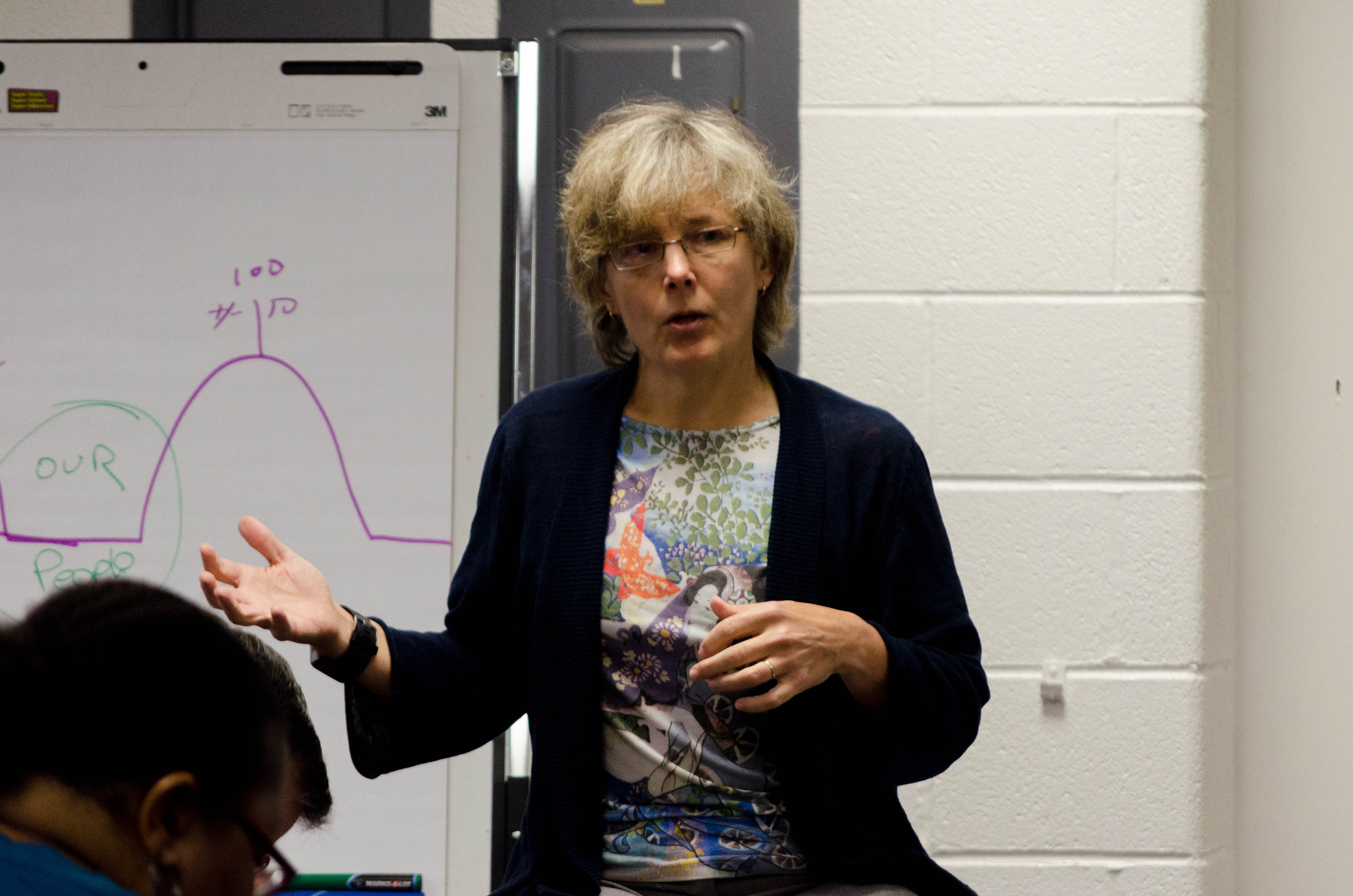
You call Dr. Julie Brown and learn about The Skills System—-“an emotion regulation system for ALL learning abilities!


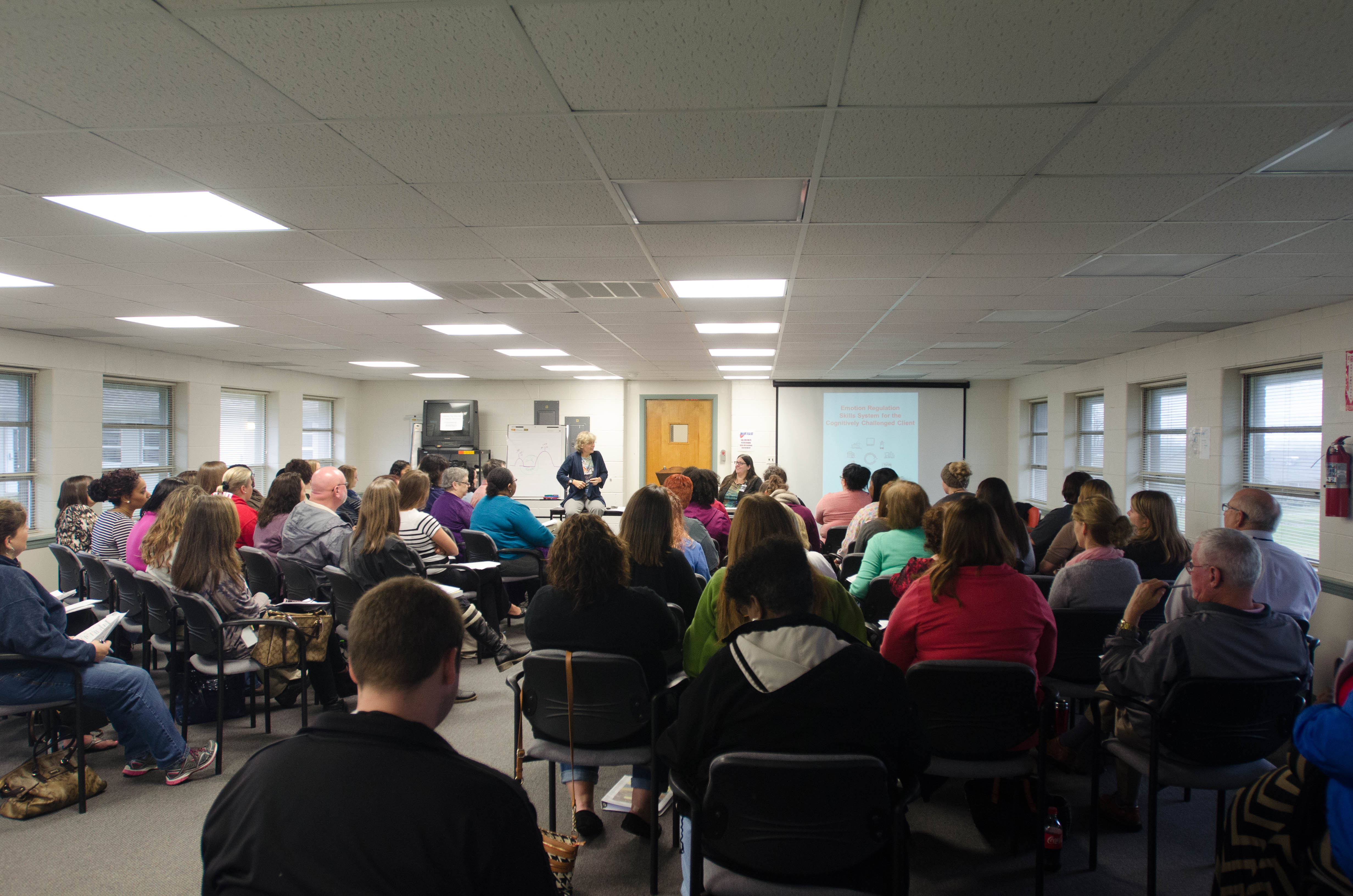
We can attest that the principles are simple, straightforward, easy to learn, and applicable 20151028-DSC_1463even for people with moderate intellectual disability. Dr. Brown was kind enough to pay Western State Hospital and WKPIC a visit, and to train psychology, social work, therapeutic recreation, Recovery Services, and all levels of nursing staff for an entire day.


We hope to use The Skills System to benefit patients with multiple hospitalizations due to emotional regulation issues related to chronic mental illness.