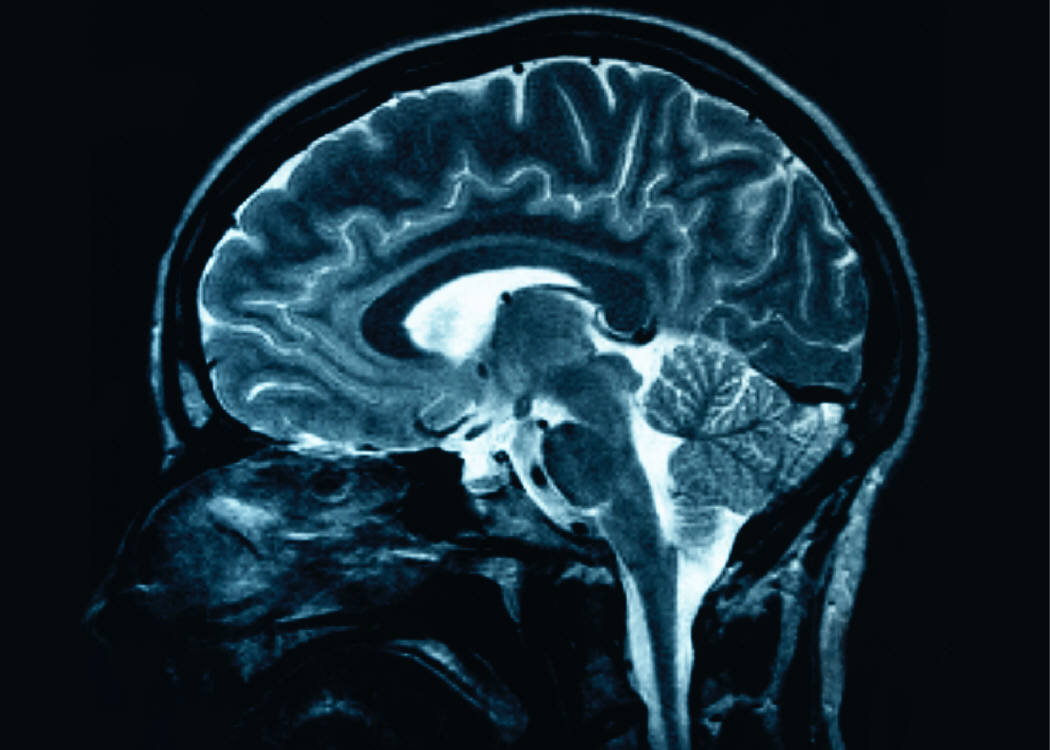
Friday Factoids: Optimal Rest for Children after Concussion


Standard care for children who have suffered from a concussion consists of rest. An environment where stimulation is minimized (no school, no physical activities, no strenuous cognitive activity, minimal social interactions, etc.) has been the standard recommendation for many years.


MP900385807A recent study conducted by Danny Thomas and his colleagues yielded surprising findings regarding optimal length of rest for children and adolescents following a concussion. The study consisted of 88 participants between the ages of 11-22 who had been diagnosed with a concussion and discharged from the ER. One group was instructed to rest at home for one to two days, and the other for four to five days. Surprisingly, follow-up neurocognitive and balance assessments showed no differences between groups after 10 days, and the group that rested longer complained of more physical symptoms (e.g., headache, nausea) after one to two days, and more emotional symptoms (e.g., irritability, sadness) over the duration of the study.


The researchers hypothesized that resting at home for a longer period of time lead the participants to experience their symptoms as more severe and potentially life altering. With more research, there may be a shift toward recommendations for shorter rest in children who have suffered from a mild concussion.


Reference
http://pediatrics.aappublications.org/content/early/2015/01/01/peds.2014-0966.abstract


Graham Martin, MA
WKPIC Doctoral Intern

Texting: The Third Client in the Room

Purpose
Dubus (2015) presented a case study example of the utilization of texting in the psychotherapy process with an adolescent female and her father during family therapy sessions. The goals of the article were to highlight generational differences, explore the meaning of text messaging for adolescents, and discuss the utility of texting within sessions. Dubus (2015) concluded with recommendations for future research to enhance understanding of best practice with clients in the current digital environment.


Background
The article noted there are generational differences, including knowledge of popular culture, media events, and age-specific experiences, that can influence therapeutic relationships between a therapist and client (as well as multiple family members during family therapy) in psychotherapy. Dubus (2015) cited Kennedy et al. (2010) to point out that adolescents are “native” to the digital world. In their lifetime, they have been surrounded by digital technology and were born into a world where digital technology already existed. By contrast, individuals of older generations, labeled in the article as digital “immigrants,” may have developed their social identities before digital technology was introduced. Therefore, adolescent clients and psychotherapists or mental health professionals may find themselves on different pages or on either side of this digital divide.


While some studies have warned about challenges related to digital technology, including issues related to confidentiality, others have highlights the benefits. Although she did not provide specifics, Dubus (2015) mentioned studies that have reported “the use of digital communication as an effective treatment venue and as a form of intervention.” However, Dubus (2015) raised some important questions: “What are the rights, responsibilities, and risks for both the client and provider when a client introduced test messaging within the counseling setting?” “For a minor, who has a right to see the text messages written during therapy sessions?” “What are the implications of cell phone use in the counseling room?” and “What dynamics does it introduce?”


Frank (2010) found that nearly 20% of adolescents send more than 120 text messages per day during their school day (as cited by Dubus, 2015). Dubus (2015) discussed texting as a coping skill for adolescents, a way for them to develop and maintain social relationships and supports, as well as a means of connecting with family members.


Case Illustration
Dubus (2015) described a family therapy scenario with a father, Bob, and his 15 year-old daughter, Megan. The background information provided included that Megan’s mother (Bob’s wife) had died of cancer three years prior and that Megan’s brother (Bob’s 19 year-old son) had recently left home for college. Bob and Megan relationship could be described as strained, with Bob describing Megan as “disobedient” and Megan describing Bob as “critical.” Megan was reportedly very close with her mother prior to her death. Megan and Bob were going to psychotherapy per Bob’s request, as he felt he was having a difficult time getting along with his daughter.  Megan was initially resistant to attending.


During the first session, Megan expressed her frustration with her father being critical and unavailable. In response, Bob stated Megan was never around and that she didn’t listen to him. As Bob talked, Megan apparently turned away from her father and began texting. Dubus (2015) acknowledged that in that moment, the therapist had a few options, including asking Megan to put away the phone, commenting about the texting, or not to say anything. The therapist chose not to address the texting. She allowed Megan to continue to text, feeling the texting was serving Megan in some way. Bob did not mention the texting either.


Over the next few sessions, the therapist noted Megan began to text when she was feeling criticized by her father. The therapist was aware that by mentioning the texting there was a risk of Megan feeling further criticized by another adult in the therapy sessions. Furthermore, the therapist felt Megan almost left the room at times out of frustration with her father and that the texting provided Megan with a buffer and she stayed in the room. Overtime, Megan and Bob’s relationship began to mend and the therapist noted Megan texted less during the sessions. By the sixth and seventh sessions, Megan apparently did not use her phone at all.


Discussion
Dubus (2015) pointed out that Megan seemed to use the texting to maintain a sense of connection when she was feeling disconnected from her father. Barak and Grohol (2011) and Ling et al. (2012) found adolescents will text in churches and classrooms as well as other environments where even college age young adults will not (as cited by Dubus, 2015). Texting is seemingly a cultural norm for today’s adolescents and will likely continue to be for future generations (until, of course, there is new technology). Many therapists would have handled the same situation differently; however, the therapist in this example seemed to put herself in Megan’s shoes and attempted to understand the purpose the texting served for Megan. The last line of the article was well stated, it read, “As counselors, therapists, social workers we will continue to meet the client were they are at, and that may be with technology.”


Reference
Dubus, N. (2015). Texting: The third client in the room. Clinical Social Work Journal, 43 209-214. doi: 10.1007/s10615-014-0504-3


Brittany Best, MA
WKPIC Doctoral Intern

Friday Factoids: New Insights Into Violence Related to Mental Illness


Past research indicates that mental illness is noted to be a modest risk factor for violence, with only 4% of violence in the United States attributed to individuals with mental illness”(Monahan et al., 2001 and Swanson, 1994, as cited in Skeem, Kennealy, Monahan, Peterson, & Appelbaum, 2015).  Rather, violent acts committed by individuals with mental illness is only associated with a fraction or a small subgroup of this population.


Unfortunately, little is known about how often and how consistently high-risk individuals with mental illness experience delusions or hallucinations prior to violent acts (Skeem et al., 2015).  Thus, in order to determine if psychosis preceded violence, Skeem, Kennealy, Monahan, Peterson, and Appelbaum (2015) used data from the MacArthur Violence Risk Assessment study to examined 305 violent incidents committed by 100 former inpatients.


Results indicated that in 12% of the 305 incidents, delusions and hallucinations immediately preceded the act.  Also the data indicated that for a large portion of the sample, violence was consistently not preceded by psychosis (80%) whereas a smaller group of individuals reported some psychosis-preceded violence (20%). Again, this suggests that within the sample, groups can be disaggregated into the majority with non-psychosis preceding violence from those with psychosis-preceding violence.


This study does not indicate a causal link between psychosis and violence; rather, it indicates a relationship or temporal ordering for these events.  Overall, the data indicate that psychosis sometimes preceded violence for high-risk individuals.  Yet, psychosis-preceded violent acts tend to be concentrated within a subgroup of high-risk patients.  Treatment implications note that for individuals with psychosis-preceded violence, delusions and hallucinations should be a focus of treatment targeting violence prevention.  Even still, providers must consider other precipitating factors associated with violence.


References
Skeem, J., Kennealy, P., Monahan, J., Peterson, J., & Appelbaum, P. (2015). Psychosis uncommonly and inconsistently precedes violence among high-risk individuals. Clinical Psychological Science. Advance Online Publication. doi: 10.1177/2167702615575879


Dannie S. Harris, M.A., M.A., M.A.Ed., Ed.S.
WKPIC Practicum Trainee



Friday Factoids: Cognitive Behavioral Therapy for Insomnia

Insomnia has a high prevalence rate, with 5% to 15% of adults meeting diagnostic criteria (Trauer, Qian, Doyle, Rajaratnam, & Cunnington, 2015).  The impact is not limited to nighttime problems; rather, it can be considered a 24-hour problem that is known to affect functioning throughout the day (Morin, 2015).  Furthermore, insomnia is also a significant risk factor for adverse health, psychological, and occupational problems (Morin, 2015).


Insomnia has been linked to anxiety and depression (Trauer et al., 2015). Often solutions or treatment of insomnia are related to pharmacological aid, with approximately 6-10% of adults in the US using hypnotics in 2010 (Trauer et al., 2015).  Yet, given concerns of side effects and addictive properties of benzodiazepines, alternative interventions are being studied.  Specifically, Cognitive-Behavioral Therapy for insomnia (CBT-i) has been shown to be an effective alternative to pharmaceuticals.


In general, CBT-i has five components:  Cognitive Therapy, focusing on identifying negative beliefs about sleep and explaining how these beliefs relate to insomnia, then identifying alternative thoughts; Stimulus Control, attempting to maximize the association between the bed and sleep through behavioral changes (e.g., avoiding stimulating activity in the bedroom, such as watching television or using the computer); Sleep Restriction, behavioral instruction advising patients to only go to bed when sleepy in order to minimize lying awake time; Sleep Hygiene, educating and discussing good sleep practices (e.g., avoid daytime naps); and finally, Relaxation, teaching relaxation skills to use before bed (Trauer et al., 2015).


To investigate the efficacy of CBT-i, Trauer, Qian, Doyle, Rajaratnam, and Cunnington (2015) completed a systematic review and meta-analysis to examine the outcome of CBT-i compared to pharmacological interventions.  Results indicate that after participating in CBT-i, patients fell asleep faster (19.03 minutes), spent less time awake in the middle of the night (26 minutes less), got more sleep overall (increase of 7.61 minutes), and improved self-efficacy about sleep by 9.91 percent. The authors concluded that CBT-i demonstrated similar levels of improvement compared to benzodiazepines for treatment of insomnia (Trauer et al., 2015). Of note, the authors did not compare CBT-i to other sleep aids (i.e., Z drugs or non-benzodiazepines [Lunesta, Ambien]), due to limited data regarding the long-term effects of such medications.


Overall, CBT-i was noted to be more sustainable overtime compared to pharmacological treatment and reported no adverse outcomes.  Given that CBT-i requires more effort and commitment when compared to taking a pill, it becomes necessary to determine if CBT-i has a beneficial impact on quality of life, fatigue, and psychological distress (Morin, 2015).  Ultimately, these findings demonstrate the efficacy of CBT-i and provide patients with a choice regarding treatment for insomnia.


Morin, C. M. (2015). Cognitive behavioral therapy for chronic insomnia: State of the science versus current clinical practices. Annals of Internal Medicine. Advance online publication. doi: 10.7326/M15-1246


Trauer, J. M., Qian, M. Y., Doyle, J. S., Rajaratnam, S. M. W., & Cunnington, D. (2015). Cognitive behavioral therapy for chronic insomnia: A systematic review and meta-analysis. Annals of Internal Medicine. Advance online publication. doi: 10.7326/M14-2841


Dannie S. Harris, M.A., M.A., M.A.Ed., Ed.S.
WKPIC Practicum Trainee