
Friday Factoids: Relationship between Tobacco Use and Psychosis

Though an association between tobacco smoking and psychotic illness is well known, reasons for the association are more ambiguous.  Recent research has associated smoking tobacco with an increased risk for developing psychosis (Gurillo, Jauhar, Murray, & MacCabe, 2015).  The authors reviewed studies that reported rates of smoking in people with psychotic disorders compared with controls.  They hypothesized that tobacco use is associated with increased risk of psychotic illness, that smoking is associated with an earlier age of onset of psychotic illness, and an earlier age of smoking is associated with increased risk of psychosis.  Overall, though the association between tobacco use has been established, little attention has addressed if tobacco may actually increase the risk of psychosis.


Gurillo, Jauhar, Murray, and MacCabe’s (2015) analyzed 61 studies composed of 15,000 tobacco users and 273,000 controls.  The results indicate that people who suffer from psychosis are three times more likely to smoke.  Also, 57% of individuals with first episode psychosis were smokers.  The risk of psychotic disorder increased modestly by daily smoking.  In short, daily tobacco use was associated with increased risk of psychosis and with an earlier age of onset of psychosis.


Again, it is difficult to determine the direction of causality; rather an association between tobacco use and psychosis was supported.  Also, the authors noted the possibility of publication bias might be present.  Even still, the authors caution that smoking should be considered a possible risk factor for developing psychosis, and should not be construed as merely a consequence of the illness.  Furthermore, consistent with the dopamine hypothesis, they suggest that nicotine exposure may increase the release of dopamine and cause psychosis to develop.  Limitations include, a small number of longitudinal prospective studies and determining the exact consumption of other substances in some of the included studies.  Of course the authors suggest more research is needed.  Overall, they note that tobacco use may be a modifiable risk factor for psychosis, and every effort should be made to modify smoking habits in this population.


Gurillo, P., Jauhar, S., Murray, R. M., & MacCabe, J. H. (2015). Does tobacco cause psychosis? Systematic review and meta-analysis. Lancet Psychiatry, 2(8), 718-725.


Dannie S. Harris, M.A., M.A., M.A.Ed., Ed.S.
WKPIC Practicum Trainee
 

Friday Factoids: Sleep and Brain Functioning

A Monday catch-up factoid!


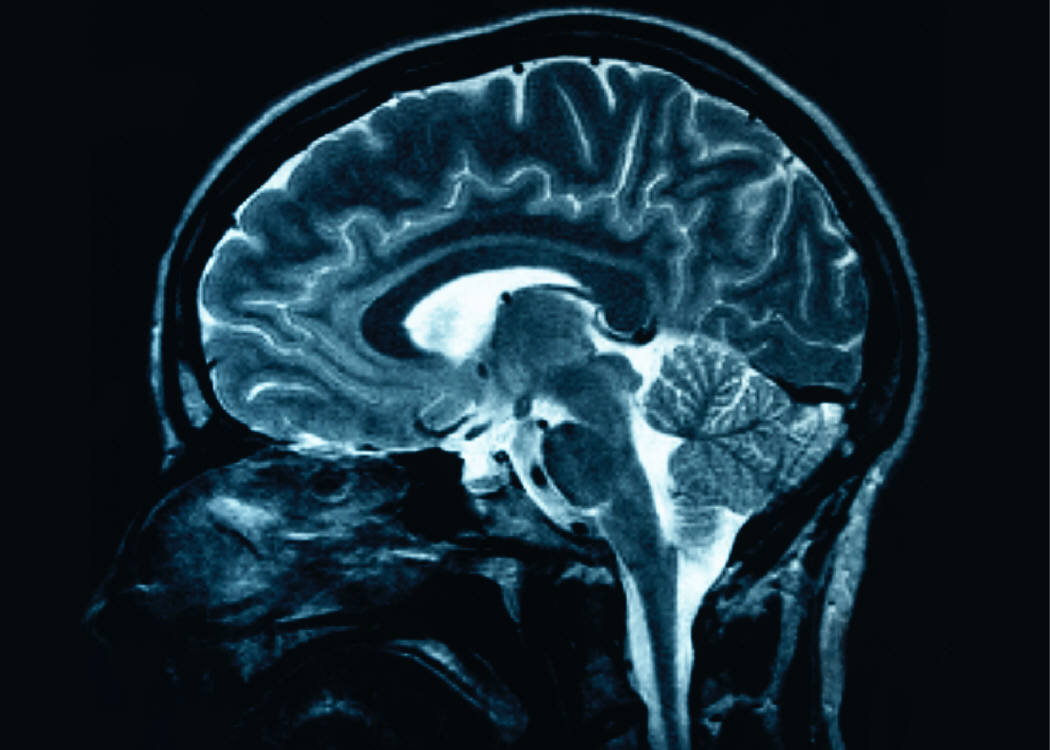
We all recognize the importance of sleep, but there is emerging evidence that describes a causal relationship between sleep and emotional brain function (Goldstein & Walker, 2014).  The literature indicates that sleep abnormalities are involved in nearly all mood and anxiety disorders.  For example, as in Posttraumatic Stress Disorder (PTSD), Rapid Eye Movement (REM) sleep is diminished and disrupted. Goldstein and Walker (2014) propose that after a traumatic experience, REM sleep helps to decouple emotion from memory, and if this is not achieved, the process will be repeated in subsequent nights.  What is experienced is a hallmark symptom of PTSD, nightmares.


Further, Major Depression is associated with exaggerated REM sleep, which includes faster entrance into REM sleep, increased intensity of REM, and longer duration of REM sleep (Goldstein & Walker, 2014).  With this underlying disruption of REM sleep, individuals with Major Depression are noted to experience next-day blunting due to excess amounts of REM sleep, which alters PFC-amygdala sensitivity and specificity to emotional stimuli (Goldstein & Walker, 2014).


Overall, without sleep, the regulation and expression of emotions is compromised (Goldstein & Walker, 2014).  Goldstein and Walker (2014) argue that REM sleep provides a restoration of “appropriate next-day emotional reactivity and salience discrimination” (p. 702).  Consequently, emotional responsiveness, sleep, and consistent REM sleep promote the processing of emotional memories.  REM sleep provides not only a therapeutic depotentiation of emotion from affective experiences, but also provides a re-calibration that restores emotional sensitivity and specificity.  Thus, rather than being a symptom of a psychiatric disorders, the relationship between sleep and psychiatric disorders is now considered to be more causal and bidirectional (Krystal, 2012).  In short, given this intimate and causal relationship highlights the importance of assessing for sleep disturbance, as well as informing intervention.


Goldstein, A. N., & Walker, M. P. (2014). The role of sleep in emotional brain function. Annual Review of Clinical Psychology, 10, 679-708.


Krystal, A. D. (2012). Psychiatric disorders and sleep. Neurologic Clinics, 30(4), 1389-1413.


Dannie S. Harris, M.A., M.A., M.A.Ed., Ed.S.
Psychology Practicum Student

Friday Factoids: Optimal Rest for Children after Concussion


Standard care for children who have suffered from a concussion consists of rest. An environment where stimulation is minimized (no school, no physical activities, no strenuous cognitive activity, minimal social interactions, etc.) has been the standard recommendation for many years.


MP900385807A recent study conducted by Danny Thomas and his colleagues yielded surprising findings regarding optimal length of rest for children and adolescents following a concussion. The study consisted of 88 participants between the ages of 11-22 who had been diagnosed with a concussion and discharged from the ER. One group was instructed to rest at home for one to two days, and the other for four to five days. Surprisingly, follow-up neurocognitive and balance assessments showed no differences between groups after 10 days, and the group that rested longer complained of more physical symptoms (e.g., headache, nausea) after one to two days, and more emotional symptoms (e.g., irritability, sadness) over the duration of the study.


The researchers hypothesized that resting at home for a longer period of time lead the participants to experience their symptoms as more severe and potentially life altering. With more research, there may be a shift toward recommendations for shorter rest in children who have suffered from a mild concussion.


Reference
http://pediatrics.aappublications.org/content/early/2015/01/01/peds.2014-0966.abstract


Graham Martin, MA
WKPIC Doctoral Intern

Friday Factoids: New Insights Into Violence Related to Mental Illness


Past research indicates that mental illness is noted to be a modest risk factor for violence, with only 4% of violence in the United States attributed to individuals with mental illness”(Monahan et al., 2001 and Swanson, 1994, as cited in Skeem, Kennealy, Monahan, Peterson, & Appelbaum, 2015).  Rather, violent acts committed by individuals with mental illness is only associated with a fraction or a small subgroup of this population.


Unfortunately, little is known about how often and how consistently high-risk individuals with mental illness experience delusions or hallucinations prior to violent acts (Skeem et al., 2015).  Thus, in order to determine if psychosis preceded violence, Skeem, Kennealy, Monahan, Peterson, and Appelbaum (2015) used data from the MacArthur Violence Risk Assessment study to examined 305 violent incidents committed by 100 former inpatients.


Results indicated that in 12% of the 305 incidents, delusions and hallucinations immediately preceded the act.  Also the data indicated that for a large portion of the sample, violence was consistently not preceded by psychosis (80%) whereas a smaller group of individuals reported some psychosis-preceded violence (20%). Again, this suggests that within the sample, groups can be disaggregated into the majority with non-psychosis preceding violence from those with psychosis-preceding violence.


This study does not indicate a causal link between psychosis and violence; rather, it indicates a relationship or temporal ordering for these events.  Overall, the data indicate that psychosis sometimes preceded violence for high-risk individuals.  Yet, psychosis-preceded violent acts tend to be concentrated within a subgroup of high-risk patients.  Treatment implications note that for individuals with psychosis-preceded violence, delusions and hallucinations should be a focus of treatment targeting violence prevention.  Even still, providers must consider other precipitating factors associated with violence.


References
Skeem, J., Kennealy, P., Monahan, J., Peterson, J., & Appelbaum, P. (2015). Psychosis uncommonly and inconsistently precedes violence among high-risk individuals. Clinical Psychological Science. Advance Online Publication. doi: 10.1177/2167702615575879


Dannie S. Harris, M.A., M.A., M.A.Ed., Ed.S.
WKPIC Practicum Trainee


Friday Factoids: Cognitive Behavioral Therapy for Insomnia

Insomnia has a high prevalence rate, with 5% to 15% of adults meeting diagnostic criteria (Trauer, Qian, Doyle, Rajaratnam, & Cunnington, 2015).  The impact is not limited to nighttime problems; rather, it can be considered a 24-hour problem that is known to affect functioning throughout the day (Morin, 2015).  Furthermore, insomnia is also a significant risk factor for adverse health, psychological, and occupational problems (Morin, 2015).


Insomnia has been linked to anxiety and depression (Trauer et al., 2015). Often solutions or treatment of insomnia are related to pharmacological aid, with approximately 6-10% of adults in the US using hypnotics in 2010 (Trauer et al., 2015).  Yet, given concerns of side effects and addictive properties of benzodiazepines, alternative interventions are being studied.  Specifically, Cognitive-Behavioral Therapy for insomnia (CBT-i) has been shown to be an effective alternative to pharmaceuticals.


In general, CBT-i has five components:  Cognitive Therapy, focusing on identifying negative beliefs about sleep and explaining how these beliefs relate to insomnia, then identifying alternative thoughts; Stimulus Control, attempting to maximize the association between the bed and sleep through behavioral changes (e.g., avoiding stimulating activity in the bedroom, such as watching television or using the computer); Sleep Restriction, behavioral instruction advising patients to only go to bed when sleepy in order to minimize lying awake time; Sleep Hygiene, educating and discussing good sleep practices (e.g., avoid daytime naps); and finally, Relaxation, teaching relaxation skills to use before bed (Trauer et al., 2015).


To investigate the efficacy of CBT-i, Trauer, Qian, Doyle, Rajaratnam, and Cunnington (2015) completed a systematic review and meta-analysis to examine the outcome of CBT-i compared to pharmacological interventions.  Results indicate that after participating in CBT-i, patients fell asleep faster (19.03 minutes), spent less time awake in the middle of the night (26 minutes less), got more sleep overall (increase of 7.61 minutes), and improved self-efficacy about sleep by 9.91 percent. The authors concluded that CBT-i demonstrated similar levels of improvement compared to benzodiazepines for treatment of insomnia (Trauer et al., 2015). Of note, the authors did not compare CBT-i to other sleep aids (i.e., Z drugs or non-benzodiazepines [Lunesta, Ambien]), due to limited data regarding the long-term effects of such medications.


Overall, CBT-i was noted to be more sustainable overtime compared to pharmacological treatment and reported no adverse outcomes.  Given that CBT-i requires more effort and commitment when compared to taking a pill, it becomes necessary to determine if CBT-i has a beneficial impact on quality of life, fatigue, and psychological distress (Morin, 2015).  Ultimately, these findings demonstrate the efficacy of CBT-i and provide patients with a choice regarding treatment for insomnia.


Morin, C. M. (2015). Cognitive behavioral therapy for chronic insomnia: State of the science versus current clinical practices. Annals of Internal Medicine. Advance online publication. doi: 10.7326/M15-1246


Trauer, J. M., Qian, M. Y., Doyle, J. S., Rajaratnam, S. M. W., & Cunnington, D. (2015). Cognitive behavioral therapy for chronic insomnia: A systematic review and meta-analysis. Annals of Internal Medicine. Advance online publication. doi: 10.7326/M14-2841


Dannie S. Harris, M.A., M.A., M.A.Ed., Ed.S.
WKPIC Practicum Trainee