
WKPIC extends warmest congratulations to Dianne Rapsey-Vanburen, for taking her oath today and finishing the arduous process of becoming a United States Citizen!!
We are so happy to have you, and your ceremony flowers are beautiful.


WKPIC extends warmest congratulations to Dianne Rapsey-Vanburen, for taking her oath today and finishing the arduous process of becoming a United States Citizen!!
We are so happy to have you, and your ceremony flowers are beautiful.
Interventions specific to first episode psychosis have become a significant focus in community mental health. However, programs directed at early intervention and identification are unable to impact treatment progress if clients are not engaged. In general, disengagement from mental health services is problematic. Approximately 30% of individuals with first episode psychosis disengage from treatment, which is consequently associated with poorer outcomes (Casey et al., 2016; Robinson et al., 2002). Thus, identification of factors related to disengagement becomes necessary to influence treatment outcomes.
As cited in Casey et al. (2016), research identifying predictive factors related to disengagement and first episode psychosis has been equivocal. For instance, Singh and Burns (2006; as cited in Casey et al., 2016) found conflicting evidence for disengagement between minority ethnic groups. Ouellet-Plamondon et al. (2015; as cited in Casey et al., 2016) found immigrant populations were more likely to disengage from treatment. Clients with a history of childhood physical abuse, alcohol use, violence, and psychopathic traits were also associated with disengagement (Spidel et al, 2010; as cited in Casey et al., 2016). Though dated, Baekeland and Lundewall (1975; as cited in Casey et al, 2016) found no consistent relationship between engagement and gender, age, living status, marital status, SES, or educational level. Additionally, little is known about disengagement and the impact of the emergence or chronology of psychosis, as well as symptom attribution or one’s beliefs about mental illness (Casey et al., 2016). The literature has found conflicting results regarding levels of engagement and the duration of untreated psychosis (Casey et al., 2016). More recent studies found the strongest association of disengagement is impacted by symptom severity at baseline, duration of untreated psychosis, insight, comorbid substance use, and family support (Doyle et al., 2014). Doyle et al. (2014) indicated that individuals entering a first episode psychosis program without family support and those who maintain persistent substance use are at higher risk for disengagement.
Casey et al. (2016) found that the level of education predicted levels of engagement; where as higher engagement scores were associated with lower levels of education. Duration of untreated illness (greater than 1220 days) was also a significant predictor for engagement. In this study, duration of untreated illness was defined as the time period of prodromal onset to treatment compliance (p. 205). Beliefs about mental illness were also a significant predictor, in that individuals with the belief that social stress is a cause of mental illness and that odd thoughts are associated with mental illness had higher engagement scores. Though not a predictor, patients living with others had significant higher engagement scores.
Overall, Casey et al. (2016) emphasized interventions specific to understanding patient beliefs about mental illness and discussing such beliefs in a non-judgmental manner regarding symptom attributions. Additionally, initiatives targeted at individuals with higher educational levels were also recommended. Awareness of these factors will provide clinicians with an understanding of the characteristics likely associated with disengagement. Thus, outreach may need to reflect more active strategies for engaging individuals with these characteristics. As recommended by Heinssen, Goldstein, and Azrin (2014), for individuals with first episode psychosis “assertive outreach, efficient enrollment, and hopeful messages are critical at the time of intake” (p. 8). First contacts are critical. Clinicians should be supportive, reassuring, and focus on learning about the individual’s experience of symptoms, the impact of these symptoms on daily life, and how psychosis has impacted family members (Heinssen, Goldstein, & Azrin, 2014). In addition, establishing a youth friendly environment, offering ongoing education and support, as well as giving consideration to providing services separate from the larger clinic, (if possible with a separate entrance and waiting room) may help positively impact levels of engagement. Due to the poorer outcomes associated with disengagement, as well as the progressive course of a psychotic illness, every effort should be considered to increase engagement in services.
References
Casey, D., Brown, L., Gajwani, R., Islam, Z., Jasani, R., Parsons, H.,…Singh, S. P. (2016). Predictors of engagement in first-episode psychosis. Schizophrenia Research, 175, 204-208.
Doyle, R., Turner, N., Fanning, F., Brennan, D., Renwick, L., Lawlor, E., & Clarke, M. (2014). First-episode psychosis and disengagement from treatment: A systematic review. Psychiatric Services, 65(5), 603-611.
Heinssen, R. K., Goldstein, A. B., & Azrin, S. T. (2014). Evidence-based treatments for first episode psychosis: Components of coordinated specialty care. Retrieved from http://www.nimh.nih.gov/health/topics/schizophrenia/raise/nimh-white-paper-csc-for-fep_147096.pdf
Robinson, D. G., Woerner, M. G., Alvier, J. M. J., Bilder, R. M., Hinrihsen, G. A., & Lieberman, J. A. (2002). Predictors of medication discontinuations by patients with first-episode schizophrenia and schizoaffective disorder. Schizophrenia Research, 57, 209-219.
Dannie S. Harris, MA
WKPIC Doctoral Intern
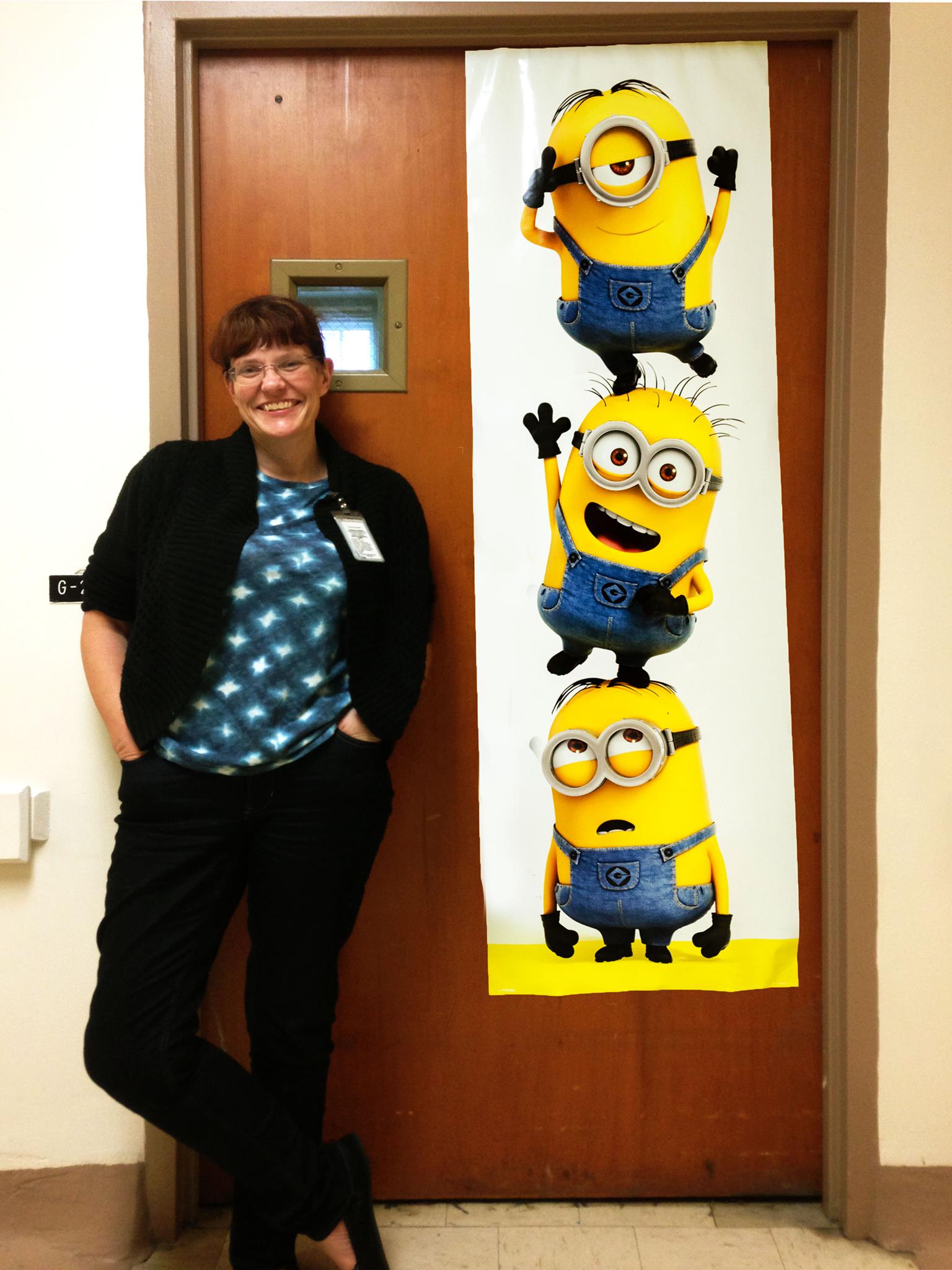
It is with great fondness and lots of sadness that we bid farewell to this crop of minions . . . I mean, interns. Jon Torres headed home to Kansas City for a post-doctoral position at an inpatient facility, while Rain Smith started a post-doctoral slot at Pennyroyal Center in Hopkinsville. Crystal Bray is staying on with the crew here at Western State as a post-doc, and we’re glad to have her.
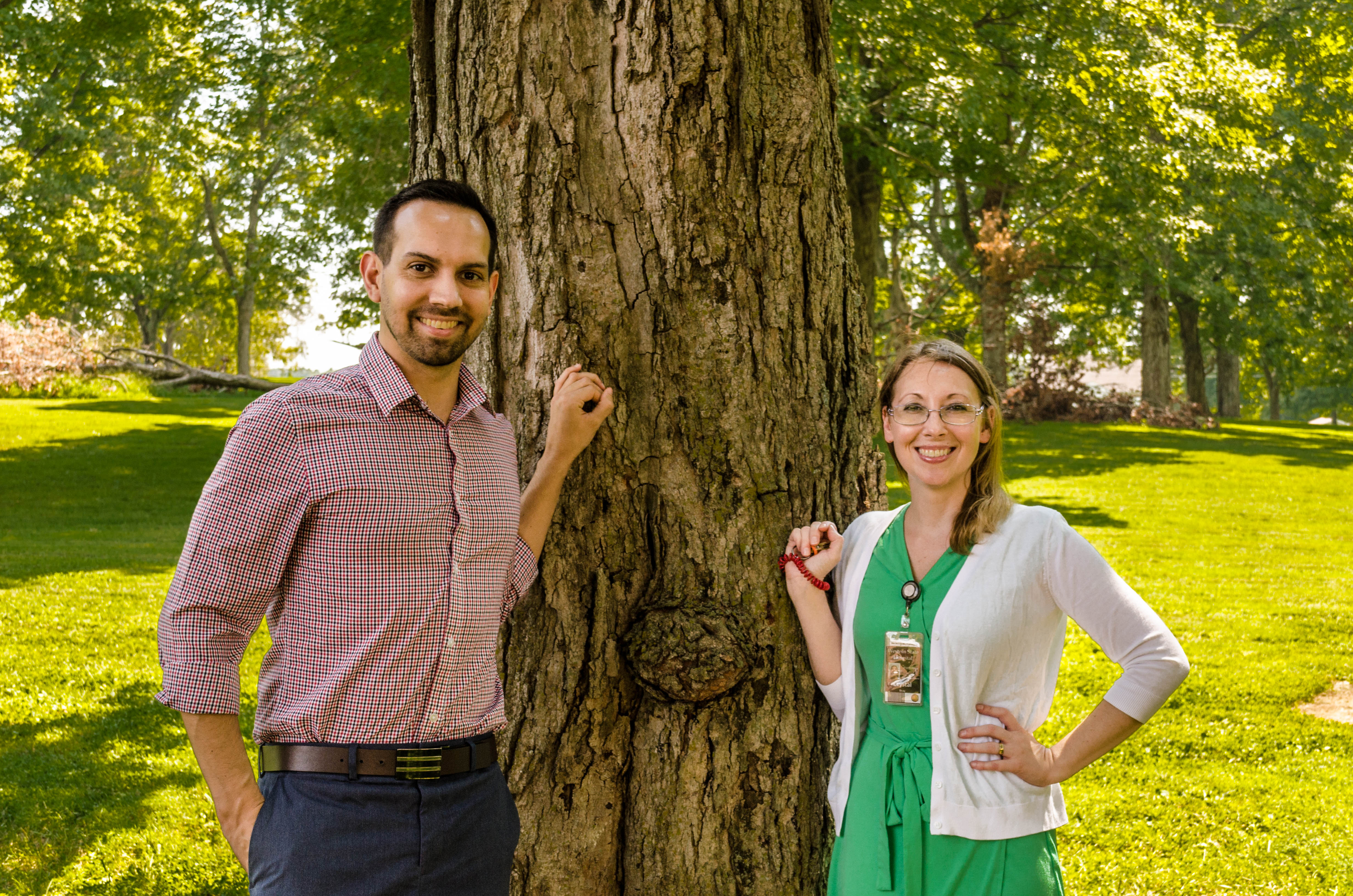




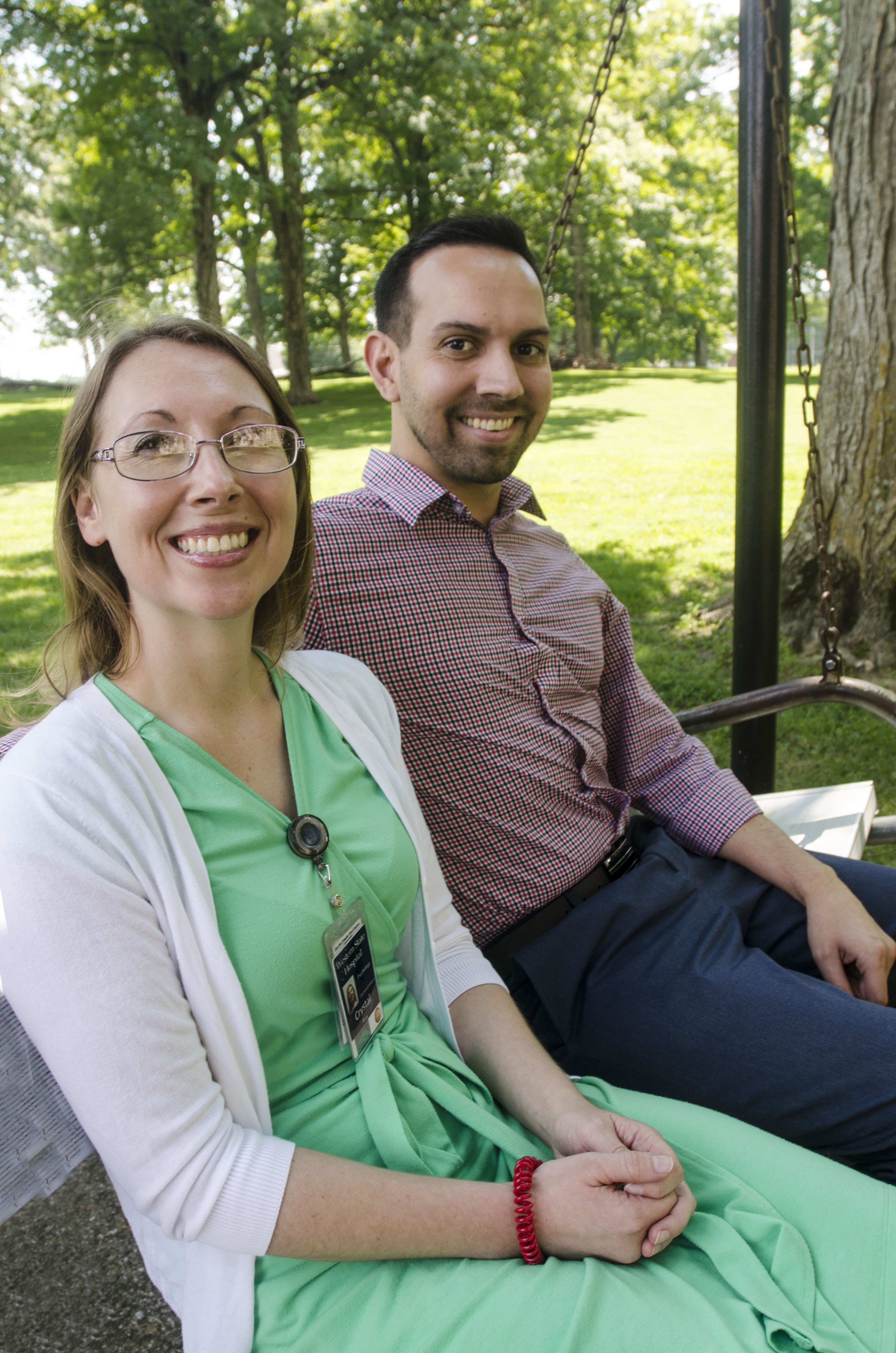

BUT, amidst all the parting sorrow, there is joy, because we have sparkly new arrivals!!!
Welcome, Dannie, Dianne, and Jennifer!!



And though she has never read Harry Potter, 50 points to Gryffindor on behalf of Dianne, who has already expertly trolled Dr. Greene with a New York Yankees poster. Come on, Dr. G. Expand those sports horizons.
We look forward to an awesome year–and I am impatiently waiting to see what this year’s group comes up with for intern office decorations…
Susan R. Vaught, Ph.D.
Director, WKPIC
Schizophrenia symptoms in the acute phase are often characterized by hallucinations and delusions, which are usually treatable with medication. However, most patients are still troubled with pervasive cognitive deficits, which include poor memory, impaired information processing, and loss of concentration. Antipsychotic medications have little impact on improving cognition, and other pharmacological approaches towards treating cognitive deficits have demonstrated limited efficacy thus far. Non-pharmacological interventions have been developed to specifically target cognitive symptoms, including cognitive remediation therapy (CRT). This therapeutic approach involves completing tasks designed to train various cognitive functions such as memory, attention, and problem-solving skills. However, CRT has only a small effect on psychiatric symptoms, and improvements are lost over time.
A number of recent meta-analyses have shown that structured exercise can significantly improve positive symptoms, negative symptoms, and social functioning in this population. A meta-analysis study combined the data from ten independent clinical trials with a total of 385 patients diagnosed with Schizophrenia. According to a new study from University of Manchester researchers, around 12 weeks of aerobic exercise training can significant improve patients’ brain functioning. The research showed that patients who are treated with aerobic exercise programs, such as treadmills and exercise bikes, in combination with their medication, will improve their overall brain functioning more than those treated with medications alone. There was also evidence among the studies that programs, which used greater amounts of exercise and those which were most successful for improving fitness, had the greatest effects on cognitive functioning.
Furthermore, by increasing cardiorespiratory fitness and metabolic health, exercise may also reduce the physical health problems associated with Schizophrenia, such as obesity and diabetes, which contribute towards reduced life expectancy and adversely affect cognitive functioning. Exercise has also been found to increase hippocampal volume and white matter integrity in healthy older adults and those with Schizophrenia. Additionally, cross-sectional research has demonstrated that physical activity and fitness are associated with better cognitive performance and higher levels of neurotrophic factors which promote brain plasticity. Results from cognitive outcomes showed that exercise improves global cognition significantly more than control conditions. Analyses suggested that supervision from physical health instructors results in better cognitive outcomes. This may be due to increased exercise engagement among participants or better program delivery resulting in more favorable outcomes.
Meta-regression analyses indicated that higher weekly duration of exercise tends to be associated with greater improvement in cognition. The amount that an individual exercises appears to be an important factor for achieving cognitive enhancement. Previous studies have shown that the amount of exercise achieved by participants during an intervention is a significant predictor of cognitive improvements. Additional studies have previously examined the relative influence of exercise duration, frequency, and intensity on cognitive improvements following a 12-week exercise program. The result indicated that exercise intensity was the best predictor variable. This also suggests that aerobic exercise may be more effective for cognition in Schizophrenia than yoga, which previous meta-analyses have found to only be effective for long-term memory.
This meta-analysis study indicated that exercise has similar effects on cognition in Schizophrenia to CRT. Individual studies have shown significantly greater improvements from combining CRT with aerobic exercise for various cognitive subdomains, along with significantly greater reductions in negative symptoms of Schizophrenia. There is also some preliminary evidence supporting the role of brain-derived neurotrophic factor (BDNF) as a mediating factor for cognitive improvements from exercise.
The two other domains, which showed significant changes in response to exercise, were attention and working memory. Since these factors are strong predictors of functional recovery after a first episode of Schizophrenia, implementing exercise interventions from the early stages of illness may facilitate functional recovery. Indeed, exercise may confer even greater benefits in the early psychosis, as cognitive enhancement interventions are more effective at this time than later in the illness. Consistent with this, three recent studies in young patients with first-episode psychosis (aged 23–26) have observed large cognitive improvements from moderate/vigorous exercise after just 10–12 weeks. With the currently limited evidence, it is unclear whether this high level of responsiveness to exercise among first-episode patients is due to their younger age or their earlier stage of illness.
References:
Firth, J., Stubbs, B., Rosenbaum, S., Vancampfort, D., Malchow, B., Schuch, F.,…Yung, A.R. (2016). Aerobic exercise improves cognitive functioning in people with schizophrenia: a systematic review and meta-analysis. Schizophrenia Bulletin. DOI: 10.1093/schbul/sbw115
Jonathan Torres, M.S.
WKPIC Doctoral Intern
(Director’s Note: We have come to our final Friday Factoids post from the 2015-2016 intern class. Stay tuned for the first offerings of the 2016-2017 crew!)
Many business leaders think of multitasking as a great asset and they envision employees who can get more work accomplished. People also believe that the Millennial generation (ages 18 to 34) is better equipped to juggle multiple tasks. For the most part this is true. Millennials are known for being adept with all forms of technology and moving from one job to another, shifting between priorities with relative ease. Most employers post “The ability to multitask” as a skill on several job openings. Unfortunately, the latest research conducted in psychology and business productivity suggests we have gotten it all wrong.
The average Millennial switches their attention among media platforms 27 times per hour. Research shows that performing a mental task while multitasking yields similar results to performing the same task if you got no sleep the previous night. Additionally, prolonged multitasking will actually damage your brain. Regular multitaskers have less brain density in areas controlling cognitive and emotional functions. Alternating between tasks will lower your emotional intelligence. If you are switching your gaze from your laptop to your smartphone to a TV screen and back again, you stand to miss a lot of subtle nonverbal signals from the person you are talking with simultaneously. Researchers revealed that the brain cannot effectively handle more than two complex related activities at once.
Multitasking doesn’t always live up to the dream. Instead, it tends to mean a lack of focus and an increase in impulsivity. Experts predicted that the impact of networked living on youth today will increase their desire for instant gratification, cause them to settle for quick choices, and cause them to lack patience. Researchers at Stanford University conducted a famous experiment 50 years ago where children were given the chance to eat a single marshmallow immediately, or wait until someone returned later, at which point they would receive a second marshmallow. The kids were tracked later in life and it turns out those who waited for that second marshmallow fared much better than those who chose instant gratification. The participants who did not wait were more likely to have behavioral problems, be obese, use drugs and spend time in jail.
There’s a financial cost, too. Lack of productivity due to multitasking equates to global losses of $450 million per year and Millennial job-hopping costs the U.S. economy more than $30 million per year. Nearly nine out of ten Millennials plan to stay in a job less than three years and 21 percent say they have changed jobs in the past year. While the average job tenure for all workers 25 and older is 5.5 years, it is only three years for Millennials. The cost of job-hopping to employers is not marginal, either. The loss of one Millennial employee runs between $15,000 to $25,000, for most companies.
In terms of the turnover issue, employers can discourage Millennials from leaving too soon by offering finite terms of employment from the get-go. Giving Millennials a sense of purpose through meaningful work and projects that require a variety of skills has been shown to deter job-hopping. To help reduce the effects of multitasking, you should schedule blocks of uninterrupted time. There is time management method called the Pomodoro Technique that allows you to work for 25-minute chunks of time and then take a five-minute break. During this time you focus all your attention on a single task and take short breaks as a way to increase focus and productivity. Lastly, you can increase the ability to focus, concentrate, and reduce stress throughout the day by practicing either (or better yet, both) yoga or meditation. However you choose to do it, cutting back on or eliminating multitasking is well worth the effort. You will work more productively and finish tasks more quickly.
References:
Clapp, W., Rubens, M., Sabharwal, J., Gazzaley, A. (2011). Deficit in switching between functions underlies the impact of multitasking memory in older adults. Proceedings of the National Academy of Sciences of the United States of America. 108(17), 7212-7217.
Sanbonmatsu, D., Strayer, D., Medeiros-Ward, N., Watson, J. (2013). Who multi-tasks and why? Multi-tasking ability, perceived multi-tasking ability, impulsivity, and sensation seeking. PLOSOne. 8(1), e54402.
Zetlin, M. (2016, July 30). Constant Multitasking Is Damaging Millennial Brains, Research Shows. Retrieved from: http://www.inc.com/minda-zetlin/constant-multitasking-is-damaging-millennial-brains-research-shows.html
Jonathan Torres, M.S.
WKPIC Doctoral Intern